 ultimate-guide
Eco-Friendly Hoodie Sizing Guide 2026: Find Your Fit
Table of Contents
- Why Eco-Friendly Hoodie Sizing Is Different
- How to Measure for a Hoodie: Step-by-Step
- Sustainable Hoodie Sizing Tips for Every Body Type
- Organic Cotton Clothing Fit Guide: What Changes After Washing
- Unisex vs. Gender-Specific Sizing in Eco Apparel
- Reading Size Charts: GOTS, OEKO-TEX, and What They Mean for Fit
- Circular Economy and End-of-Life Sizing Considerations
- Frequently Asked Questions
Last Updated: September 27, 2026
Why Eco-Friendly Hoodie Sizing Is Different
Eco-friendly hoodie sizing is the practice of matching body measurements to garments made from organic, recycled, or low-impact fabrics, where material behavior and certification standards affect how a hoodie fits.
How to Measure for a Hoodie: Step-by-Step
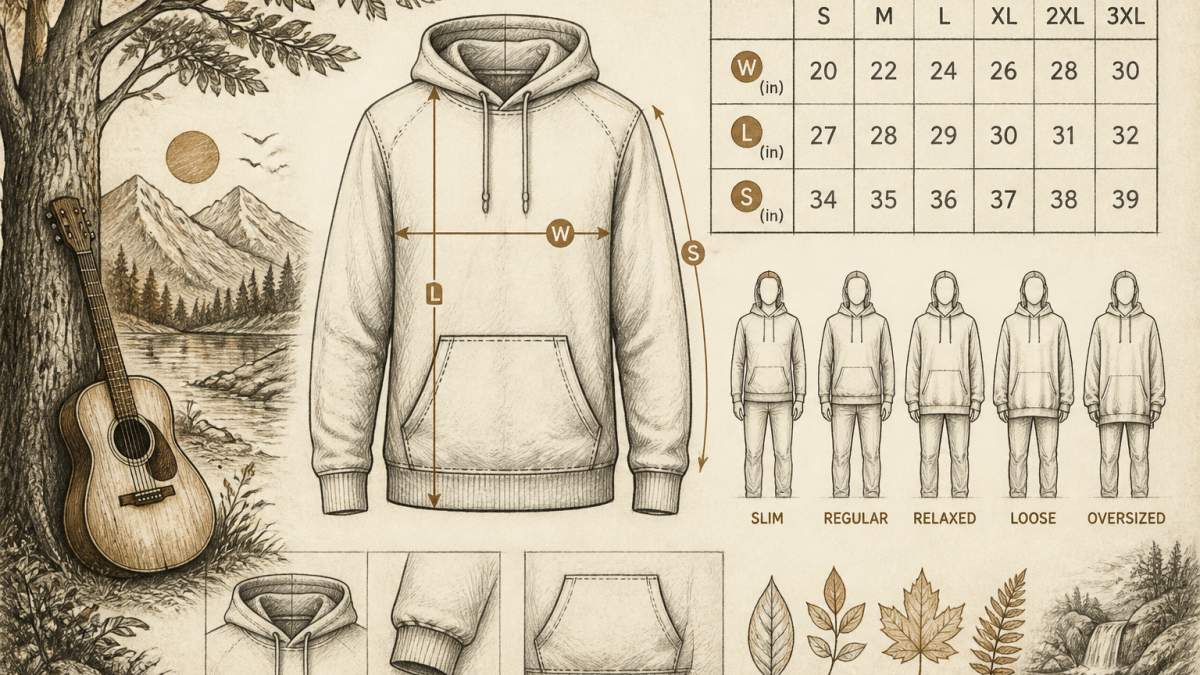
Measuring for a hoodie takes about five minutes with a soft measuring tape and a hoodie you already own. The goal is not to guess your usual size. It is to capture three numbers: chest width, shoulder width, and sleeve length, then compare them to the brand's size chart.
Tools You'll Need
- A flexible fabric measuring tape (not a metal tape measure)
- A hoodie that fits the way you like
- A flat surface or a mirror
- A notebook or phone to record numbers
Measuring Chest, Shoulders, and Sleeve Length
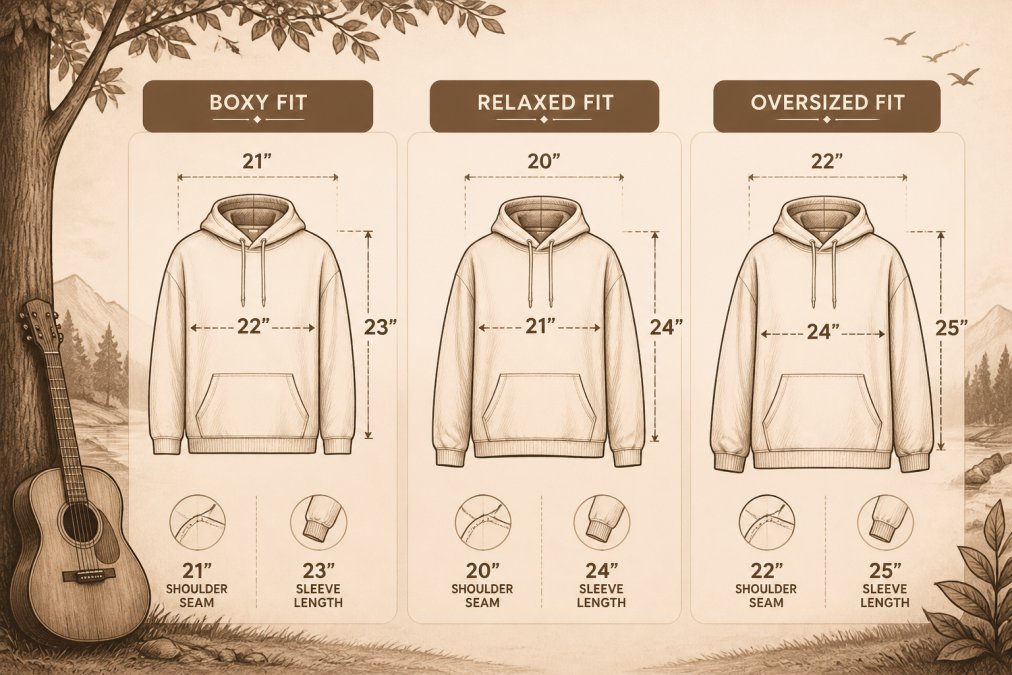
Lay the hoodie flat and measure across the chest, one inch below the armhole, then double that number for full chest width. Measure shoulder to shoulder across the back seam. For sleeve length, measure from the shoulder seam to the cuff edge. Repeat all three on your own body for comparison.
Sustainable Hoodie Sizing Tips for Every Body Type
Sustainable hoodie sizing tips start with one rule: fit type matters more than the number on the tag. Boxy, relaxed, and oversized cuts all use the same size label but sit differently on the body. A size medium in a boxy fit can feel like a large in a slim cut. The second rule is that eco-fabrics add their own variable, organic cotton relaxes and then shrinks back, recycled polyester holds its shape, and hemp-cotton blends soften without losing structure.
Fit Recommendations by Body Type
- Broad shoulders, shorter torso: Choose a relaxed fit and size up if the size chart lists shoulder width under 20 inches. Organic cotton fleece with a dropped shoulder seam gives the chest room to move without pulling at the armpit.
- Long torso, narrow shoulders: Look for a body length of 28 inches or more and stay true to size. A pre-shrunk organic cotton or organic cotton/recycled polyester blend is the safer pick than an unshrunk 100% organic cotton, which can lose an inch of length in the first hot wash and leave the hem riding above the waistband.
- Curvy through the midsection: A boxy or oversized cut with a dropped shoulder seam avoids pulling across the chest. A lighter fabric in a relaxed cut drapes closer to the body and reads less bulky than a heavier fleece in the same size. If the size chart lists chest width, aim for at least 4 inches of ease over your own chest measurement.
- Tall frame: Prioritize sleeve length over chest width; a size up adds length without adding too much width. Raglan-sleeve hoodies in a recycled blend tend to run longer in the arm than set-in sleeves, and the lack of a shoulder seam means the sleeve length is less affected by shoulder width.
- Petite frame: An oversized cut in a heavyweight fabric can swallow the frame. A pre-shrunk organic cotton hoodie in a slim or relaxed fit, sized true, usually fits better than sizing down in an oversized cut, sizing down shortens the body but also narrows the shoulders, which throws off the drape.
Organic Cotton Clothing Fit Guide: What Changes After Washing
An organic cotton clothing fit guide has to account for shrinkage, because organic cotton is often less chemically treated than conventional cotton and can move more in the first few washes. The good news: shrinkage is predictable once you know the fabric type and whether the garment is pre-shrunk.
Shrinkage Rates by Fabric Type
| Fabric Type | Typical Shrinkage | Pre-Shrunk? | Sizing Advice |
|---|---|---|---|
| 100% organic cotton (not pre-shrunk) | Noticeable in length and width | No | Size up one |
| Pre-shrunk organic cotton | Minimal | Yes | True to size |
| Organic cotton / recycled polyester blend | Low | Usually | True to size |
| Heavyweight organic fleece | Slight | Often | Stay true to size |
Wash cold and dry low to limit shrinkage. Heat is the main driver of fabric contraction, so a cold wash and air dry keep an organic cotton hoodie closer to its original measurements. This is also the eco-friendly choice, since cold washing and line drying cut energy use.
Unisex vs. Gender-Specific Sizing in Eco Apparel
Unisex sizing in eco apparel uses a single size scale built around a straighter, boxier cut, while gender-specific sizing adjusts for different shoulder-to-hip ratios. Most sustainable brands default to unisex because it reduces overproduction and waste. The trade-off is that a unisex medium often fits like a men's medium and a women's large.
Reading Size Charts: GOTS, OEKO-TEX, and What They Mean for Fit
Certification labels tell you about the fabric, not the fit, but the two are linked. A GOTS certified organic cotton hoodie is held to strict fiber and processing standards, and OEKO-TEX certification confirms the finished textile has been tested for harmful substances. Neither label guarantees a specific fit, but both signal a fabric that behaves consistently, which makes sizing more predictable.
Circular Economy and End-of-Life Sizing Considerations
Circular economy thinking changes how you size a hoodie, because a garment designed to be resold, repaired, or recycled should fit well for years, not just one season. Choosing a slightly roomier cut and a durable fabric weight means the hoodie stays wearable as trends shift, which extends its life and keeps it out of landfill. This is the angle most size guides skip, and it is the one that matters most if you are buying a hoodie you intend to keep for five years instead of one.
How Eco-Fabrics Hold Their Shape Over Time
Here is how the main eco-fabric categories behave over a multi-year wear cycle:
- 100% organic cotton (not pre-shrunk): Loses length and width in the first few hot washes, then stabilizes. After that, the knit can relax at the elbows, cuffs, and hem with repeated wear, so a hoodie that fit perfectly at month one may feel a half-size larger by year two. Sizing true to the chart and washing cold keeps the drift smaller.
- Pre-shrunk organic cotton: The most dimensionally stable of the pure-cotton options. Shrinkage is largely done before you buy, so the fit you get on day one is close to the fit you get in year three, provided you keep heat out of the wash and dry cycle.
- Organic cotton / recycled polyester blend: The recycled polyester content resists stretching and shrinkage, so the hoodie holds its chest and sleeve measurements longer than pure cotton. The trade-off is that the fabric can pill at friction points (under the arms, at the cuffs) sooner than a long-staple organic cotton.
- Heavyweight organic fleece (400 GSM and up): The denser knit resists distortion at the seams and holds a boxy silhouette for years, which is why it is the best candidate for resale or hand-down. The weight also means it takes longer to dry, so air drying is the practical care method.
Sizing for Longevity, Not Just for Now
A hoodie that fits too tightly gets retired early. A hoodie with a relaxed fit and a heavier fabric weight survives repeated washing and still looks good, so it can be handed down, resold, or returned to a take-back program. Sizing for longevity is a quiet sustainability decision, and it comes down to three practical moves:
- Leave one to two inches of ease in the chest. A hoodie that fits with zero ease has no room to accommodate the slight relaxation that happens at the shoulders and elbows over years of wear.
- Prioritize pre-shrunk or blended fabrics if you want the fit to stay put. If you love the hand feel of unshrunk 100% organic cotton, accept that the fit will change and size accordingly.
- Check whether the brand offers repair or take-back. A hoodie with a repairable seam or a resale path stays in use longer, which means the fit you choose today determines how many years of wear the garment delivers.
Frequently Asked Questions
How do organic cotton hoodies fit compared to synthetic blends?
Organic cotton hoodies typically have less stretch than synthetic blends, so they may feel slightly snugger at first. However, GOTS certified organic cotton often softens with washing while maintaining shape. If you're between sizes, consider sizing up for a relaxed fit. Synthetic blends like recycled polyester mixed with cotton tend to have more give, which can mask fit issues but may lose shape over time. Always check the fabric weight (GSM) and pre-shrunk status before ordering.
Do sustainable clothing brands run true to size?
It varies by brand. Some eco-friendly brands follow standard US sizing, while others cut for a boxy or relaxed fit. Look for detailed size charts that include chest width, sleeve length, and shoulder seam measurements in inches. Brands using GOTS certified or OEKO-TEX materials often note if the garment is pre-shrunk. Reading reviews about fit and checking whether the brand recommends sizing up or down will save you a return.
What should I look for in a size chart for eco-friendly apparel?
A useful size chart lists chest width, body length, sleeve length, and shoulder seam in inches, not just S/M/L labels. Check whether measurements are for the garment laid flat or for body measurements. Look for notes on fabric weight (GSM), pre-shrunk status, and shrinkage rate. If the chart mentions GOTS or OEKO-TEX certification, that's a good sign the fabric has been tested for durability and low shrinkage.
How does 100% recycled cotton affect hoodie sizing?
Recycled cotton fibers are shorter than virgin cotton, which can make the fabric slightly less elastic and more prone to shrinkage if not pre-shrunk. Many sustainable brands blend recycled cotton with recycled polyester to improve durability and reduce shrinkage. If you're buying a 100% recycled cotton hoodie, check the shrinkage rate in the product details. Sizing up by half a size is a safe bet if the fabric isn't pre-shrunk.
Are unisex hoodie sizes different from standard sizing?
Yes. Unisex hoodies are cut to fit a broader range of body types, often with a straighter, boxier silhouette. They typically run larger in the chest and shoulders than women's-specific cuts. If you usually wear a women's medium, a unisex small or medium may fit depending on your preferred fit. Always compare your body measurements to the unisex size chart rather than assuming your usual size will translate directly.
How can I measure myself accurately for a hoodie online?
Use a flexible tape measure and wear lightweight clothing. Measure your chest at the fullest point, keeping the tape level under your arms. For shoulder width, measure from the edge of one shoulder to the other across your back. Sleeve length goes from the shoulder seam to where you want the cuff to end. Compare these numbers to the brand's size chart, and if you're between sizes, size up for a relaxed fit or size down for a snug fit.
Finding a hoodie that fits well and matches your values should not require guesswork. RastaHippies.com pairs certified organic and recycled fabrics with clear size charts and a relaxed, true-to-size fit, so you can order with confidence. The brand's original, handcrafted designs celebrate Reggae and Hippie culture, and every purchase supports charitable foundations dedicated to ocean and environmental conservation. Explore the RastaHippies.com collection and find the fit that lasts.