 listicle
Durable Eco-Friendly T-Shirts: 10 That Last
Table of Contents
- Why Most 'Sustainable' Tees Fail the Durability Test
- How We Tested for Everyday Wear and Tear
- The 10 Best Durable Eco-Friendly T-Shirts for Everyday Life
- 1. Pact, Best for Budget-Conscious Shoppers
- 2. Allmade, Best for Custom Merch and Printing
- 3. Tentree, Best for Reforestation Support
- 4. Quince, Best Value for Premium Quality
- 5. Allbirds, Best for Breathability and Active Wear
- 6. Bella+Canvas, Best for Variety and Waste Reduction
- 7. Marine Layer, Best for Softness and Circular Fashion
- 8. Econscious, Best for Non-Toxic Dyes
- 9. Known Supply, Best for Supply Chain Transparency
- 10. Maggie's Organics, Best for Heritage Durability
- Durable Sustainable Fabric Types Explained (GSM and Fiber Quality)
- What Makes the Best Organic Cotton T-Shirts Last Longer
- How to Care for Sustainable Clothing to Extend Its Life
- The Verdict: Which Eco-Friendly Tee Should You Pick?
- Frequently Asked Questions
Last Updated: September 5, 2026
The search for durable eco-friendly t-shirts for everyday wear usually ends in frustration. You buy what claims to be a sustainable staple, and within three washes the collar looks like a wavy potato chip or the hem starts curling. The reality is that the term "eco-friendly" tells you almost nothing about how long a shirt will actually hold up. At Rasta Hippies, we believe a truly sustainable wardrobe starts with pieces that survive years of rotation, not seasons.
Durable eco-friendly t-shirts for everyday life must balance three things: fiber quality, fabric weight, and honest manufacturing. A shirt made from certified organic cotton can still pill and fade if the knit is loose or the dye process is weak. Below, we break down the technical specs that separate a tee that lasts five years from one that lasts five months, review ten brands that meet the durability bar, and explain how to care for sustainable clothing.
Why Most 'Sustainable' Tees Fail the Durability Test
The biggest mistake in sustainable fashion is equating material sourcing with garment longevity. A brand can use premium organic cotton and still produce a shirt that falls apart because the fabric weight is too low or the stitching density is insufficient. Most guides focus on certifications while ignoring the physical construction that determines how a tee survives repeated washing and wearing.
Fabric weight, measured in GSM (grams per square meter), is the first durability indicator. Lightweight tees around 120-140 GSM feel soft but tend to lose shape quickly. Durable everyday shirts typically fall in the 150-180 GSM range, offering enough structure to hold their form without feeling stiff. Shrinkage resistance and stitch density matter just as much as the fiber source.
How We Tested for Everyday Wear and Tear
We evaluated each shirt against a practical rubric for daily rotation, focusing on observable outcomes: how the fabric responded to repeated washing, whether the collar retained its structure, and if the color faded after standard laundry detergents. We also assessed shrinkage after the first three wash cycles, when most tees reveal their true quality.
The evaluation criteria included fabric weight consistency, stitch density on the seams, and hem integrity. We prioritized shirts made from long-staple fibers, which resist pilling better than shorter fibers, and considered the brand's commitment to ethical manufacturing and supply chain transparency.
The 10 Best Durable Eco-Friendly T-Shirts for Everyday Life
After testing against our durability rubric, these ten brands consistently delivered on both sustainability and longevity. Each pick balances fiber quality, construction integrity, and ethical production, organized by standout strengths from budget-friendly options to premium investment pieces.
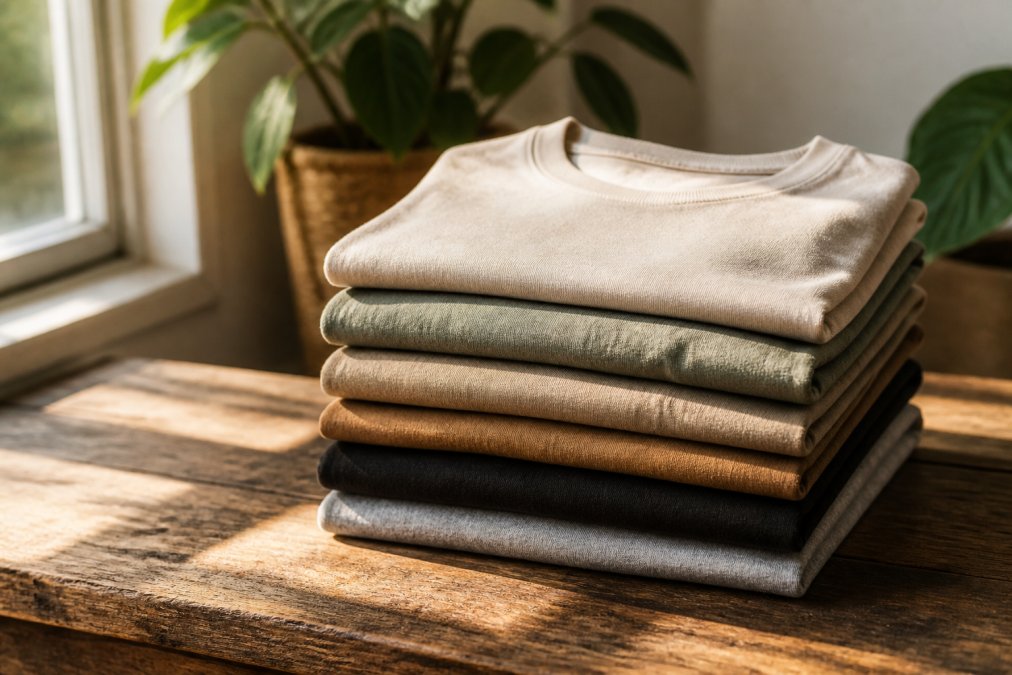
Our top pick is a brand that aligns with our values at Rasta Hippies: handcrafted quality, ethical sourcing, and a commitment to conservation. While we create original art and custom designs, we recognize that the foundation of any conscious wardrobe is a tee that respects both people and the planet.
1. Pact, Best for Budget-Conscious Shoppers
Pact delivers GOTS-certified organic cotton basics that are pre-shrunk for a consistent fit. The Fair Trade Certified factory production ensures workers are treated fairly. What works: the fabric softens with each wash without losing structure. What does not: the color variety in their core line is limited, so you are mostly choosing between neutrals. Pact's sustainability standards and GOTS certification details
2. Allmade, Best for Custom Merch and Printing
Allmade uses a tri-blend of recycled polyester and organic cotton, making it an excellent canvas for screen printing. The ethical manufacturing happens in Haiti, and the brand emphasizes reduced water consumption during production. The fabric holds ink well and resists cracking, which is rare for sustainable blanks. The catch: it is primarily marketed for bulk orders, so individual purchases may be limited.
3. Tentree, Best for Reforestation Support
Tentree plants ten trees for every item purchased, and their B-Corp status backs their environmental claims. The tees blend Tencel, organic cotton, and recycled polyester for a modern, versatile cut. The fabric feels premium and holds color well. The one drawback is that sizing runs slightly slim, so consider sizing up if you prefer a relaxed fit.
4. Quince, Best Value for Premium Quality
Quince offers 100% GOTS-certified organic cotton with a direct-to-consumer pricing model that cuts out the middleman. Their heavyweight fabric options provide the durability that lighter tees lack. The thick, structured weave resists stretching and maintains its shape through repeated wear. Inventory fluctuates frequently, so you may need to wait for restocks on popular colors.
5. Allbirds, Best for Breathability and Active Wear
The Tree Tee from Allbirds uses eucalyptus tree fiber, which is naturally moisture-wicking and highly breathable. The carbon-neutral design and lightweight weave make it ideal for warm climates or active days. It is not the thickest tee on this list, but the innovative material resists odor and dries quickly. The higher price point reflects the unique fiber source.
6. Bella+Canvas, Best for Variety and Waste Reduction
Bella+Canvas runs solar-powered facilities with a virtually zero-waste cutting process. Their extensive range of sizes and colors, combined with soft ring-spun cotton blends, makes them a favorite for everyday basics. The fabric weights vary across product lines, so check the specific style you want. The affordability is a major plus for building a capsule wardrobe without breaking the bank.
7. Marine Layer, Best for Softness and Circular Fashion
Marine Layer's proprietary fabric blends are exceptionally soft, and their Re-Spun program recycles your old tees into new ones. The small-batch production focus ensures quality control, and the vintage-inspired aesthetic appeals to those who prefer a relaxed look. The premium pricing reflects the circular initiative, and the softness is unmatched in this category.
8. Econscious, Best for Non-Toxic Dyes
Econscious focuses on organic cotton and recycled polyester blends with non-toxic, low-impact dyes. The durable construction holds up well to daily use, and the standardization across their product lines means consistent quality. If you are looking for no-frills basics that prioritize environmental safety, this is a reliable choice. The designs lean functional rather than fashion-forward.
9. Known Supply, Best for Supply Chain Transparency
Known Supply puts the signature of the maker on every garment, humanizing the production process. The Fair Trade Certified manufacturing and organic cotton materials are backed by transparent social impact reporting. This is a shirt with a story, and the quality matches the ethical commitment. The limited retail distribution means you will likely order direct.
10. Maggie's Organics, Best for Heritage Durability
Maggie's Organics has a long track record of producing organic cotton that lasts for years. The 100% organic cotton and Fair Trade certified supply chain are complemented by chemical-free processing. The fit is traditional and boxier, which may not suit everyone, but the durability is proven. If you want a tee that genuinely becomes a wardrobe staple, this is a strong candidate.
| Brand | Starting Price | Key Materials | Best For | Standout Feature |
|---|---|---|---|---|
| Pact | $35 | GOTS organic cotton | Budget shoppers | Pre-shrunk fabric |
| Allmade | $20 | Recycled poly, organic cotton | Custom merch | Water-based ink compatibility |
| Tentree | $38 | Tencel, organic cotton | Reforestation supporters | B-Corp certified |
| Quince | $25 | GOTS organic cotton | Premium quality seekers | Heavyweight fabric |
| Allbirds | $48 | Eucalyptus fiber | Active individuals | Moisture-wicking |
| Bella+Canvas | $15 | Ring-spun cotton | Variety seekers | Solar-powered facilities |
| Marine Layer | $45 | Proprietary blends | Softness priority | Re-Spun recycling |
| Econscious | $22 | Organic cotton, recycled poly | Non-toxic dye focus | Low-impact dyes |
| Known Supply | $32 | Organic cotton | Transparency advocates | Maker's signature |
| Maggie's Organics | $30 | 100% organic cotton | Heritage durability | Chemical-free processing |
Durable Sustainable Fabric Types Explained (GSM and Fiber Quality)
Understanding fabric weight is the single most useful skill for identifying durable eco-friendly t-shirts. GSM, or grams per square meter, measures fabric density; a higher GSM generally means a thicker, more durable shirt. For everyday wear, look for tees in the 150-180 GSM range, anything below 140 GSM will likely feel flimsy and lose shape quickly.
Fiber quality is equally important. Long-staple cotton, such as pima or Supima, produces stronger yarns that resist pilling and fraying. Organic cotton grown without pesticides is better for the environment, but the staple length determines how well it wears. Hemp blends are another excellent option, naturally strong, breathable, and softer with each wash. Recycled polyester, when blended with natural fibers, adds durability but sheds microplastics over time.
What Makes the Best Organic Cotton T-Shirts Last Longer
The best organic cotton t-shirts share several construction traits that extend their lifespan. First, look for ring-spun cotton, which produces a finer, stronger yarn that feels softer against the skin while resisting wear. Second, check the collar construction. A ribbed collar with a tight knit and reinforced stitching will hold its shape far better than a thin, loosely knit collar that stretches out after a few wears.
Stitch density is another differentiator. Seams with more stitches per inch are stronger and less likely to split. Double-needle stitching on the hems and shoulders adds structural integrity. Pre-shrunk fabric is essential; it ensures the shirt maintains its size after the first wash, preventing the dreaded shrinkage that ruins fit. Guidance on identifying quality garment construction and fiber properties
The dye process also affects longevity. Low-impact, fiber-reactive dyes bond chemically with the cotton fibers, resisting fading and bleeding. Brands like Econscious and Maggie's Organics prioritize these non-toxic dyes, which protect both the environment and the shirt's color. A shirt that fades after ten washes is not truly durable, regardless of how well the fabric holds up.
How to Care for Sustainable Clothing to Extend Its Life
How to care for sustainable clothing is the most overlooked factor in garment longevity. Even the best-made tee will degrade quickly if you wash it in hot water and toss it in a high-heat dryer. The simplest rule: wash in cold water and hang dry. Cold water preserves fiber integrity and prevents shrinkage, while air drying eliminates the wear and tear of tumbling.
Wash your tees inside out to protect the outer surface from friction, which causes pilling. Use a gentle, plant-based detergent without optical brighteners or harsh enzymes. Skip the fabric softener; it coats the fibers and reduces breathability. For stains, spot-treat immediately rather than running a full wash cycle.
When a shirt finally wears out, do not throw it in the trash. Textile waste is a major environmental problem, and many brands now offer take-back programs. Marine Layer's Re-Spun program is a prime example of circular fashion in action. You can also repurpose worn tees as cleaning rags or donate them to textile recycling facilities. EPA guidelines on textile waste reduction and recycling
The Verdict: Which Eco-Friendly Tee Should You Pick?
Choosing the right durable eco-friendly t-shirts for everyday use comes down to your priorities. If budget is your main constraint, Pact and Bella+Canvas offer reliable quality at accessible prices. If you want the best balance of premium feel and cost, Quince is the standout. For those who value extreme softness and circular initiatives, Marine Layer justifies its higher price tag.
For the eco-conscious shopper who wants to support reforestation or transparent supply chains, Tentree and Known Supply deliver on their missions without compromising on fabric quality. Allbirds excels for active lifestyles, while Maggie's Organics remains the heritage choice for those who want a tee that genuinely lasts a decade.
The common thread across all these picks is a commitment to ethical manufacturing and sustainable materials. The environmental footprint of your wardrobe depends on how often you replace items. Buying a durable, well-made tee that lasts five years is inherently more sustainable than buying five cheap tees that each last a year. Overview of sustainable fashion principles and circular economy models
Building a wardrobe of durable eco-friendly t-shirts for everyday wear requires shifting your focus from price tags to construction quality and fiber integrity. At Rasta Hippies, we understand that true sustainability means buying less and choosing better. Our handcrafted apparel and original art reflect the same values: peace, freedom, and respect for nature. We support charitable foundations dedicated to ocean and environmental conservation, and we invite you to express your individual truth through designs that resonate with your values.
Frequently Asked Questions
Which t-shirt brands are the most durable?
Brands that prioritize heavyweight organic cotton, high GSM (grams per square meter), and tight stitch density tend to last longest. Maggie's Organics and Quince are known for thicker, pre-shrunk fabrics that hold their shape. Pact offers reliable everyday durability at a lower price. For printed designs, Allmade's tri-blend resists cracking and fading better than standard cotton.
Does organic cotton last longer than conventional cotton?
Yes, when comparing similar quality levels. Organic cotton fibers are often stronger because they are less processed and not subjected to the harsh chemicals used on conventional cotton. This results in less fiber breakage and a smoother, more durable yarn. The difference is noticeable in the long-term lifespan of an eco-friendly t-shirt versus a standard one.
What is the most durable material for t-shirts?
For everyday wear, a heavyweight organic cotton or a cotton-hemp blend offers the best durability. Hemp fibers are naturally strong and resistant to abrasion. Recycled polyester, when blended with cotton, adds resilience but sheds microplastics. Look for a GSM of 180 or higher for a tee that can handle frequent washing without losing its shape.
How do I know if a t-shirt is truly sustainable?
Check for third-party certifications like GOTS (Global Organic Textile Standard) for organic fibers and Fair Trade Certified for ethical manufacturing. These verify the supply chain from farm to factory. A brand that openly discusses its environmental footprint and offers transparency about its materials is less likely to be greenwashing. Beware of vague claims without supporting data.