 ultimate-guide
How to Build a Sustainable Wardrobe: A Step-by-Step Guide
Table of Contents
- Step 1: Shop Your Own Closet First
- Step 2: Understand Clothing Labels and Fiber Content
- Step 3: Build Capsule Wardrobe Essentials
- Step 4: How to Identify Greenwashing in Fashion
- Step 5: Shop Secondhand and Thrift Strategically
- How to Care for Clothes to Make Them Last
- Why Sustainable Fashion Costs More
- Frequently Asked Questions
Last Updated: September 3, 2026
Step 1: Shop Your Own Closet First
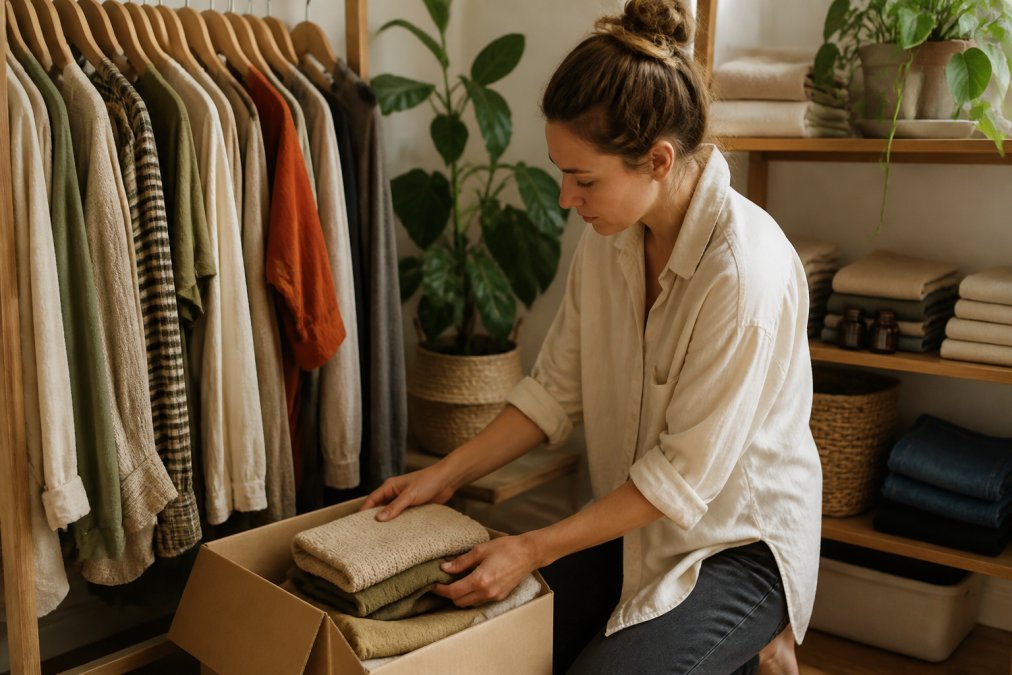
Before buying anything new, pull everything out and take inventory. You likely have pieces that work together in ways you haven't considered, and foundational items that can anchor entire outfits. This costs nothing, wastes nothing, and forces you to understand what you own, preventing duplicate purchases and closets full of pieces that don't coordinate.
Sort your closet into three categories: keep, donate, and repair. The keep pile becomes your foundation. The donate pile extends the life of those pieces for someone else through local charities or secondhand platforms. The repair pile teaches you what's actually worth fixing, a favorite jacket with a broken zipper, yes; a basic tee with a stain, probably not.
Once organized, start mixing pieces in new combinations. Pair a work blazer with weekend jeans. Wear a formal dress as a tunic over tights. The goal is to see how much mileage you can get from existing inventory before adding anything new. This is the foundation of a sustainable wardrobe: using what you have, understanding what works, and only adding pieces that genuinely expand your options.
Step 2: Understand Clothing Labels and Fiber Content
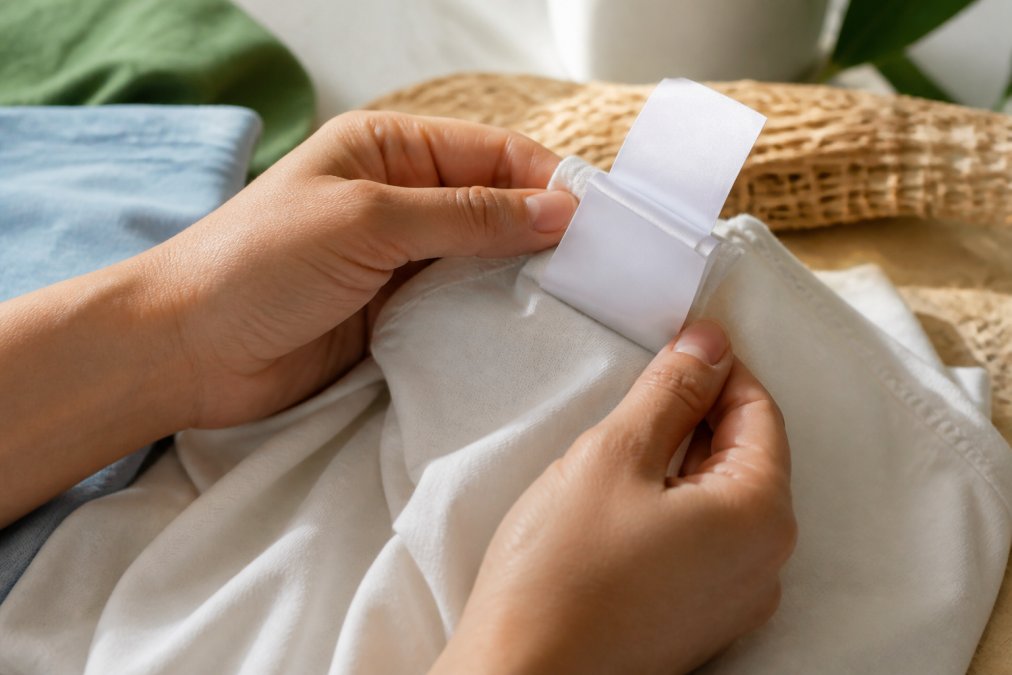
What your clothes are made from determines how long they'll last, how they'll feel, and what environmental impact they carry. Reading labels is the fastest way to avoid pilling, shrinkage, and make smarter purchasing decisions.
Natural fibers like organic cotton, linen, and wool are generally more durable and breathable than synthetics. Organic cotton is grown without synthetic pesticides, which matters for the environment and your skin (usda.gov). Linen lasts for decades with proper care. Wool regulates temperature and resists stains naturally. These materials cost more upfront but perform better over time.
Synthetic fibers like polyester, nylon, and acrylic are cheaper to produce but shed microplastics when washed and break down slowly in landfills (peer-reviewed research). Blends can work, a cotton-polyester blend might offer durability and easy care, but check the percentage. If a shirt is 80% polyester and 20% cotton, it's essentially a synthetic garment.
Look for certifications that verify environmental and ethical claims. GOTS (Global Organic Textile Standard) for organic cotton or Fair Trade for ethical labor practices are third-party verified and meaningful. When you see "eco-friendly" with no certification backing it up, that's greenwashing.
Fiber content also affects how you care for clothes, which directly impacts their lifespan. Understanding these differences means your clothes stay in rotation longer instead of getting damaged and discarded.
Step 3: Build Capsule Wardrobe Essentials
A capsule wardrobe is a small collection of versatile pieces that work together to create multiple outfits. Instead of owning 50 items that don't coordinate, you own 20-30 pieces that all pair with each other. This reduces waste, simplifies decision-making, and makes it easier to care for your clothes because you're actually wearing them.
Start with neutral basics in colors that work with your skin tone: white, black, navy, gray, beige, or olive. A white t-shirt pairs with almost everything. Black jeans work for casual and semi-formal occasions. A neutral blazer elevates any outfit. These pieces form the backbone of a sustainable wardrobe because they get worn constantly.
Add layering pieces: cardigans, lightweight sweaters, and long-sleeve shirts. These extend the life of your basics by adding variety without requiring entirely new pieces. A white t-shirt becomes three different outfits when layered under a cardigan, sweater, or button-up shirt.
Include one or two pairs of well-fitting jeans and neutral pants. Fit matters more than trend. A pair of jeans that actually fits your body will be worn hundreds of times. Trendy jeans that don't fit well will sit unworn.
Add pieces that reflect your personal style and life. If you work in an office, include professional pieces. If you spend weekends hiking, include functional layers. A capsule wardrobe that doesn't reflect who you are will feel restrictive instead of liberating.
Before adding something new, ask: does this pair with at least three pieces I already own? If the answer is no, it doesn't belong in a capsule wardrobe.
Step 4: How to Identify Greenwashing in Fashion
Greenwashing happens when a brand uses environmental language without backing it up with real practices or certifications. A company might call itself "eco-friendly" or "sustainable" while producing the same fast fashion as everyone else.
Red flags include vague language without specifics. "Made with sustainable materials" might mean 5% of the garment is sustainable cotton and 95% is polyester. "Eco-conscious" and "nature-inspired" are marketing terms with no legal definition.
Legitimate sustainability involves transparency about supply chain, production methods, and materials. If a brand won't tell you where clothes are made, who made them, or what certifications they hold, that's a warning sign.
Check for third-party certifications. GOTS (Global Organic Textile Standard) verifies organic cotton. Fair Trade certification confirms ethical labor practices. B Corp certification shows a company meets strict social and environmental standards. These certifications require audits and ongoing compliance.
Be skeptical of sustainability claims paired with aggressive marketing or constant new collections. A truly sustainable brand doesn't need to convince you to buy more. They focus on durability and timelessness, not trend cycles.
Price is also a signal. Sustainable production costs more because it involves better labor practices, higher-quality materials, and smaller production runs. If a brand claims sustainability but prices are suspiciously low, something doesn't add up.
Step 5: Shop Secondhand and Thrift Strategically
Buying secondhand is one of the most effective ways to build a sustainable wardrobe because it extends the life of existing garments and keeps them out of landfills. Thrifting and shopping secondhand platforms give you access to quality pieces at lower prices while reducing demand for new production.
Start with local thrift stores, consignment shops, and online platforms. Each has different inventories and pricing. Local thrift stores often have the lowest prices but require more digging. Consignment shops curate better selections but charge more. Online secondhand platforms offer convenience and wider selection but require patience with shipping.
When shopping secondhand, inspect items carefully. Check seams for damage, look for stains or odors, and test zippers and buttons. Try things on if you can. For online purchases, read descriptions closely and ask sellers questions about condition.
Focus on quality basics and timeless pieces rather than trendy items. A neutral sweater from five years ago is still wearable. Look for natural fiber content even in secondhand shopping, a cotton shirt from a decade ago will still perform well.
Thrifting requires patience and regular visits. New inventory arrives constantly, so checking back weekly increases your chances of finding quality pieces. The 100-wears rule applies to secondhand purchases too. Before buying, estimate how many times you'll actually wear the piece.
How to Care for Clothes to Make Them Last
How you treat your clothes after purchase matters as much as what you buy. Proper care extends the life of garments dramatically, which is why understanding garment care is essential to building a sustainable wardrobe.
Wash less frequently. Most clothes don't need washing after every wear. Jeans can go weeks between washes if you spot-clean stains. T-shirts can be worn a few times before washing. Sweaters can be worn multiple times. Washing less reduces wear on fibers, saves water, and saves energy.
When you do wash, use cold water. Hot water breaks down fibers faster and fades colors. Use less detergent than you think you need. Air dry whenever possible. Dryers are hard on clothes, shrinking them and breaking down elastic. Hang items to dry or lay them flat.
Turn clothes inside out before washing to reduce fading and pilling. Wash similar colors together. Don't overload the machine. For specific fabrics, follow label instructions. Understanding your fabrics means treating each appropriately.
Mending is where care becomes active. A button that falls off takes five minutes to reattach and prevents you from wearing a shirt. A small hole can be patched. A seam that's coming loose can be stitched. Learning basic hand sewing is one of the most valuable skills for sustainable living.
Store clothes properly. Fold heavy knits to prevent stretching. Hang delicate items. Use cedar or lavender to prevent moths naturally instead of chemical mothballs.
Why Sustainable Fashion Costs More
Understanding why sustainable fashion costs more helps you make intentional purchasing decisions and avoid the false economy of cheap clothing that falls apart quickly.
Sustainable materials cost more. Organic cotton is grown without synthetic pesticides, which requires more careful farming practices and certification. Linen and wool require specific processing. Recycled materials require collection and processing infrastructure.
Ethical labor practices cost more. A factory that pays fair wages, provides safe working conditions, and limits working hours will have higher production costs than a factory cutting corners. If a brand claims sustainability but prices are rock-bottom, workers are being exploited somewhere in the supply chain.
Smaller production runs cost more per unit. A sustainable brand making 1,000 units of a style pays more per piece than a fast-fashion brand making 100,000 of the same style. Sustainable brands often make less volume because they focus on quality and durability rather than trend cycles.
Quality materials and construction cost more. A shirt made to last decades costs more to produce than a shirt designed to last one season. But that cost is spread across years of wear, which makes the actual cost per wear reasonable.
The math becomes clear when you calculate cost per wear. A $15 shirt worn twice costs $7.50 per wear (the EPA). A $60 shirt worn 200 times costs $0.30 per wear. The expensive shirt is actually cheaper in the long run and generates less waste.
Fast fashion's low prices are artificial. They're achieved through exploitation, environmental damage, and planned obsolescence. When you buy sustainable fashion, you're paying the actual cost of responsible production.
Building a sustainable wardrobe is fundamentally about making intentional choices instead of unconscious consumption. It requires understanding what you own, knowing what you're buying, and caring for pieces so they last. The practices covered here, shopping your closet first, understanding fiber content, building a capsule collection, identifying greenwashing, shopping secondhand, and caring for clothes properly, form a complete framework for sustainable living through fashion.
At Rasta Hippies, we believe sustainable fashion means expressing your authentic self through pieces that align with your values. Our handcrafted merchandise and original designs celebrate the unity of Reggae Rasta and Hippie cultures while supporting charitable foundations dedicated to ocean and environmental conservation. When you choose pieces that reflect your commitment to peace, freedom, and nature, you're not just building a wardrobe, you're making a statement about who you are. Explore our collection of sustainable apparel and custom designs that let you express your individual truth while supporting causes you care about.
Frequently Asked Questions
How do I know if a brand is genuinely sustainable or just greenwashing?
Look for third-party certifications like Fair Trade Certified, Global Organic Textile Standard (GOTS), or B Corp status. Check the brand's supply chain transparency, legitimate sustainable companies publish detailed information about their factories and materials. Greenwashing brands use vague terms like 'eco-friendly' without backing them up. Ask specific questions: Where are items made? What percentage of materials are recycled or organic? Can they prove donations to causes they claim to support? Brands with real commitment provide detailed answers.
What are the best fabrics for a sustainable wardrobe?
Natural fibers like organic cotton, linen, and wool are excellent choices because they biodegrade and don't shed microplastics. Organic cotton avoids harmful pesticides, while linen requires less water than conventional cotton. Wool is durable and naturally temperature-regulating. Look for recycled polyester or regenerated fibers like Tencel for synthetic options. Avoid conventional polyester and acrylic, which shed microplastics with every wash. Check fiber content labels carefully, blended fabrics can be sustainable if they combine natural fibers with recycled synthetics.
How do I start building a sustainable wardrobe without spending a lot of money?
Begin by shopping your own closet and identifying pieces you already love wearing. Then focus on thrifting and secondhand shopping, where you can find quality items at a fraction of retail price. Invest in capsule wardrobe essentials, versatile basics in neutral colors that mix and match easily. Prioritize fewer, better-quality pieces over quantity; one durable item worn 100 times costs less per wear than ten cheap items worn rarely. Join clothing swaps with friends to refresh your wardrobe for free. When buying new, choose brands offering transparent pricing that reflects fair wages and ethical production.
What's the difference between cost per wear and upfront price?
Cost per wear divides the item's price by how many times you'll actually wear it. A $100 sustainable shirt worn 100 times costs $1 per wear, while a $20 fast fashion shirt worn five times costs $4 per wear. Sustainable wardrobe building focuses on durability and timelessness, choosing pieces you'll love for years rather than seasons. Higher upfront prices reflect better materials, ethical labor practices, and construction quality that lasts. When you calculate true cost per wear, sustainable pieces often cost less overall than constantly replacing cheap items.
This article was written using GrandRanker
Frequently Asked Questions
How do I know if a brand is genuinely sustainable or just greenwashing?
Look for third-party certifications like Fair Trade Certified, Global Organic Textile Standard (GOTS), or B Corp status. Check the brand's supply chain transparency—legitimate sustainable companies publish detailed information about their factories and materials. Greenwashing brands use vague terms like 'eco-friendly' without backing them up. Ask specific questions: Where are items made? What percentage of materials are recycled or organic? Can they prove donations to causes they claim to support? Brands with real commitment provide detailed answers.
What are the best fabrics for a sustainable wardrobe?
Natural fibers like organic cotton, linen, and wool are excellent choices because they biodegrade and don't shed microplastics. Organic cotton avoids harmful pesticides, while linen requires less water than conventional cotton. Wool is durable and naturally temperature-regulating. Look for recycled polyester or regenerated fibers like Tencel for synthetic options. Avoid conventional polyester and acrylic, which shed microplastics with every wash. Check fiber content labels carefully—blended fabrics can be sustainable if they combine natural fibers with recycled synthetics.
How do I start building a sustainable wardrobe without spending a lot of money?
Begin by shopping your own closet and identifying pieces you already love wearing. Then focus on thrifting and secondhand shopping, where you can find quality items at a fraction of retail price. Invest in capsule wardrobe essentials—versatile basics in neutral colors that mix and match easily. Prioritize fewer, better-quality pieces over quantity; one durable item worn 100 times costs less per wear than ten cheap items worn rarely. Join clothing swaps with friends to refresh your wardrobe for free. When buying new, choose brands offering transparent pricing that reflects fair wages and ethical production.
What's the difference between cost per wear and upfront price?
Cost per wear divides the item's price by how many times you'll actually wear it. A $100 sustainable shirt worn 100 times costs $1 per wear, while a $20 fast fashion shirt worn five times costs $4 per wear. Sustainable wardrobe building focuses on durability and timelessness—choosing pieces you'll love for years rather than seasons. Higher upfront prices reflect better materials, ethical labor practices, and construction quality that lasts. When you calculate true cost per wear, sustainable pieces often cost less overall than constantly replacing cheap items.