 ultimate-guide
Why Sustainable Clothing Costs More: 3 Real Reasons
Last Updated: October 29, 2026
Quick Summary
Sustainable clothing costs more mainly because fair wages and safer workplaces raise the labor cost per garment, and natural fabrics plus small production runs raise materials and unit costs. These are real production expenses, not a marketing markup.
- Fair wages, safe buildings and reasonable hours raise the cost per garment.
- Natural fibers like organic cotton, linen and hemp cost more than synthetic fibers.
- Recycling adds cleaning, sorting and repurposing expenses to materials.
- Small production runs mean fixed costs spread across fewer units.
- Mainstream sustainable innovation can drive prices down over time.
Table of Contents
- The Real Reasons Sustainable Clothing Costs More
- Ethical Fashion Cost: Fair Wages and Safer Workplaces
- Sustainable Clothing Materials and Small Production Runs
- Frequently Asked Questions
The Real Reasons Sustainable Clothing Costs More
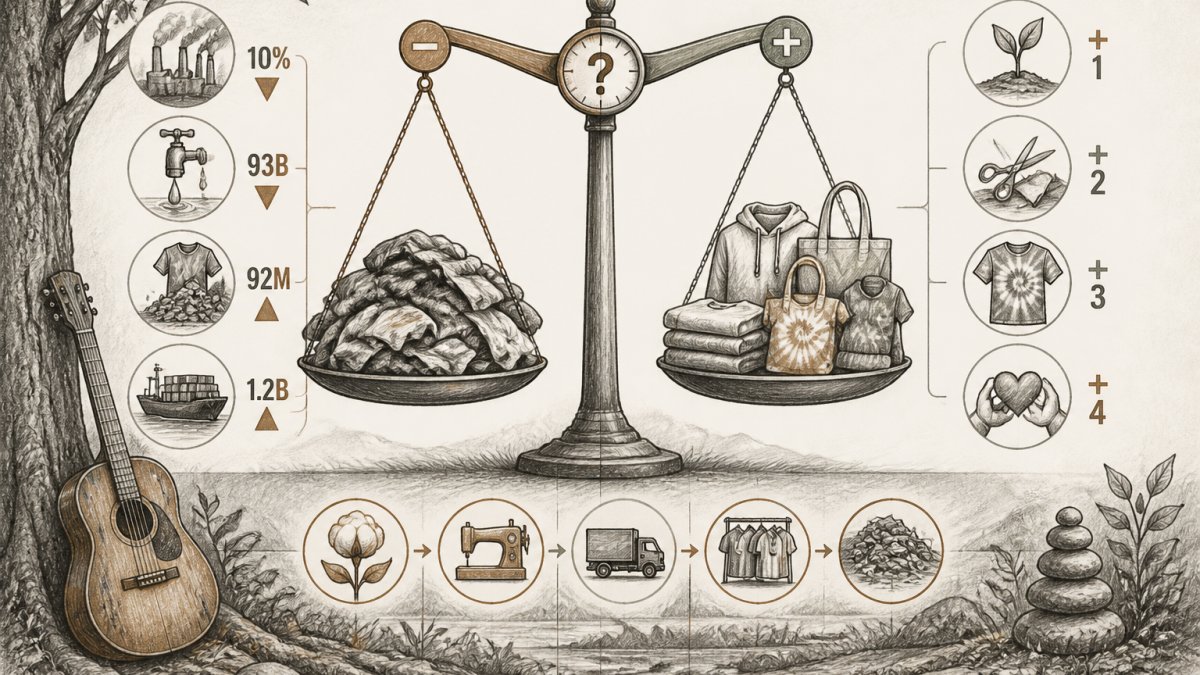
According to LIM College's analysis of sustainable fashion pricing, eco-friendly clothing can cost more because sustainable production processes incur relatively higher costs, including ethical labor. The price gap is mostly a labor gap and a materials gap, not a marketing markup.
| Cost Driver | What It Adds to the Price | Why Fast Fashion Avoids It |
|---|---|---|
| Fair wages and safe workplaces | Higher labor cost per garment | Pressures suppliers on unit price |
| Natural and lower-impact fabrics | Pricier raw materials | Relies on cheap synthetic fibers |
| Small production runs | Higher cost per unit | Orders in huge volumes |
Ethical Fashion Cost: Fair Wages and Safer Workplaces
The ethical fashion cost is dominated by people. Fairer wages, better working conditions, and more sustainably produced materials separate ethical brands from the rest, as documented in Moorhouse's research on fashion waste and collective responsibility. Pay a sewing operator a living wage and provide a safe building and reasonable hours, and the cost per garment rises, there is no way around that arithmetic.
Sustainable Clothing Materials and Small Production Runs
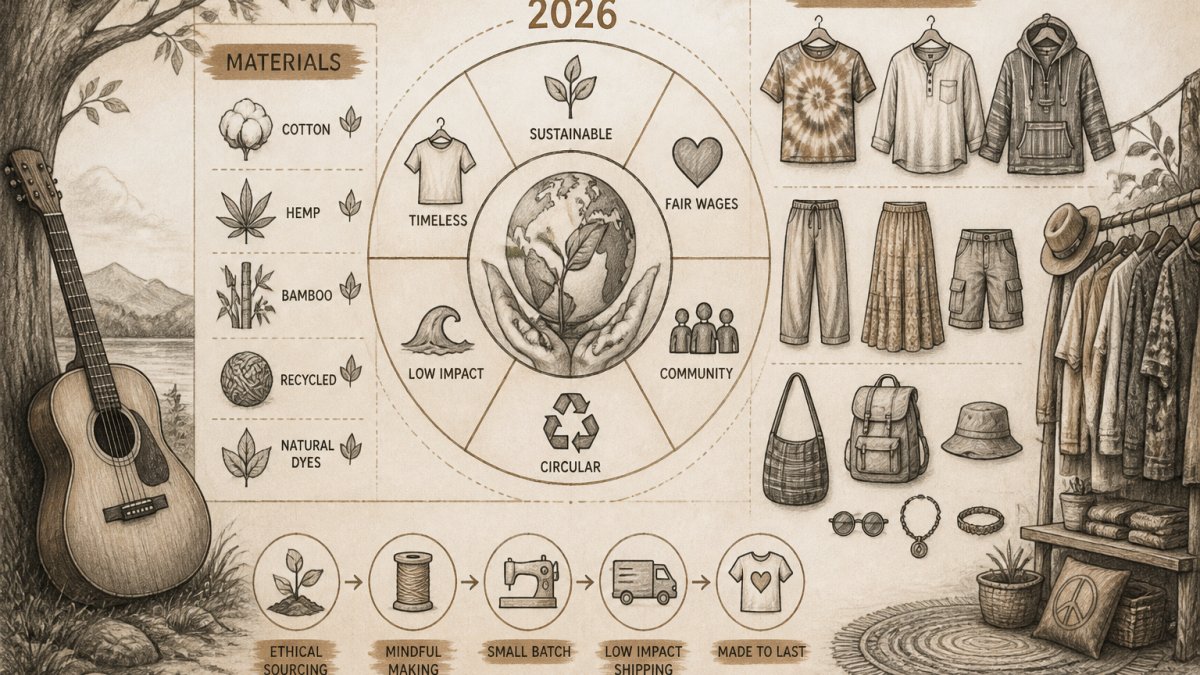
Sustainable clothing materials and small production runs are the second big cost driver. Natural fibers such as organic cotton, linen, and hemp cost more than plastic-based synthetics, and recycling adds cleaning, sorting, and repurposing expenses, according to State of Matter Apparel and Fabric of Change's material cost analysis. To evaluate such claims, see how to spot greenwashing in fashion. Smaller quantities also mean higher cost per unit because fixed costs can't spread across a massive order. Readers watching their budget can find budget-friendly sustainable fashion tips for beginners.
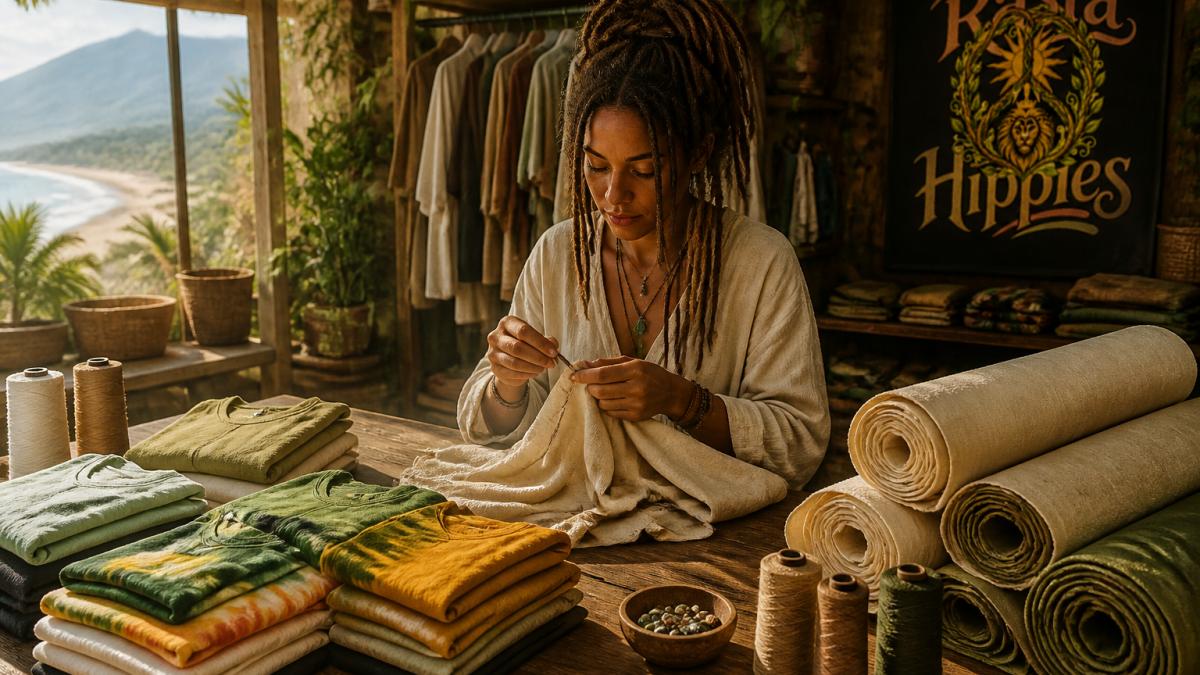
The good news: Vogue's reporting on sustainable fashion innovation notes that as sustainable innovations become mainstream, they can drive prices down. Higher prices today are partly a scale problem, not a permanent tax on conscience.
Small business owners of all types are invited to join Rasta Hippies as the "New" site to be found and seen by all. Visit RastaHippies.com and Rastahippies.store to check out our eco-friendly merchandise and support the growth of our business.
Frequently Asked Questions
What makes sustainable clothing cost more than fast fashion?
Three main factors drive the higher price. First, fair wages and safer working conditions raise labor costs because workers are paid properly and protected on the job. Second, sustainable clothing materials like organic cotton, linen, and hemp cost more than plastic-based synthetic fibers, and recycling adds cleaning, sorting, and repurposing steps. Third, small production runs mean brands cannot spread fixed costs across millions of units the way fast fashion does. Each factor adds to the final price you see on the tag.
Does sustainable clothing last longer and make the higher cost worth it?
Durability varies by brand, so check construction details like stitching, fabric weight, and care instructions before buying. When a garment holds up through more washes and wears, the cost per wear drops. A piece you wear regularly for several years can end up cheaper per use than a low-priced item that falls apart after a few washes. Look for brands that publish fabric sourcing and care guidance, then judge value by how long the item actually stays in rotation.
How can I tell whether a clothing brand is genuinely sustainable?
Start with supply-chain transparency. A credible brand names its factories, fiber sources, and certifications, and explains how it pays workers. Vague claims like eco-friendly or green without specifics are a warning sign. Check whether the brand publishes a garment-level price breakdown or impact report. Also look at sizing consistency and return policies, since a brand confident in its quality usually stands behind it. When in doubt, ask customer service direct questions about sourcing and labor and see how clearly they answer.