 how-to
7 Signs a Clothing Brand Is Truly Ethical
Last Updated: October 29, 2026
Quick Summary
A truly ethical clothing brand shows its work, openly naming its suppliers, materials and costs, and its choices line up with the health of people, the planet and the self. Labels and certifications help, but they confirm only that a standard was checked, not that every choice behind a garment is perfect. Systemic transparency across the supply chain is the real test of an ethical clothing brand.
- Check whether the brand names its factories.
- Look for third-party verification rather than just marketing claims.
- Ask whether the brand explains what each product really costs to make.
- Read what an OEKO-TEX certification actually covers before trusting it.
- Treat certifications as proof a standard was checked, not a guarantee.
Table of Contents
- What Makes a Clothing Brand Truly Ethical
- How to Tell If a Clothing Brand Is Ethical in Practice
- Ethical Fashion Certifications and What They Actually Prove
- Frequently Asked Questions
What Makes a Clothing Brand Truly Ethical
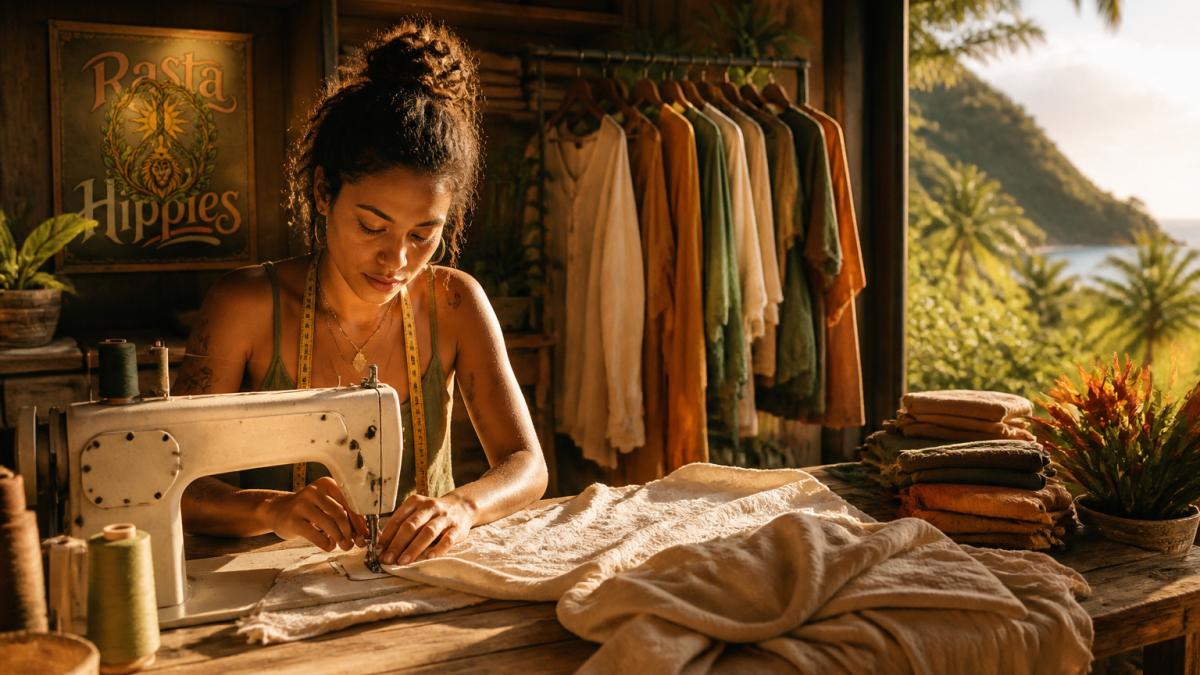
A truly ethical clothing brand is not just about labels. Lately, the conversation has shifted toward something deeper: how a brand's choices line up with the health of people, the planet, and the self. At Rasta Hippies, we think that alignment is where real value starts.
Most shoppers already buy fast fashion. The Sustainable Agency's 2026 consumer analysis of fast fashion buying habits found that 90% of surveyed consumers have purchased fast fashion items.
That is why the 432 Hz frequency and self-love motive matters here. Slow, intentional choices can feel like a small act of care for yourself and for the world around you.
Most shoppers already buy fast fashion, and a 2026 consumer analysis found that 90% of surveyed consumers have purchased fast fashion items.
| Shopper fact | Figure | Note |
|---|---|---|
| Consumers who bought fast fashion | 90% | Per The Sustainable Agency's 2026 analysis |
| Source of the figure | The Sustainable Agency | 2026 consumer analysis of buying habits |
| Core test of ethical value | Alignment | Choices line up with people, planet and self |
How to Tell If a Clothing Brand Is Ethical in Practice
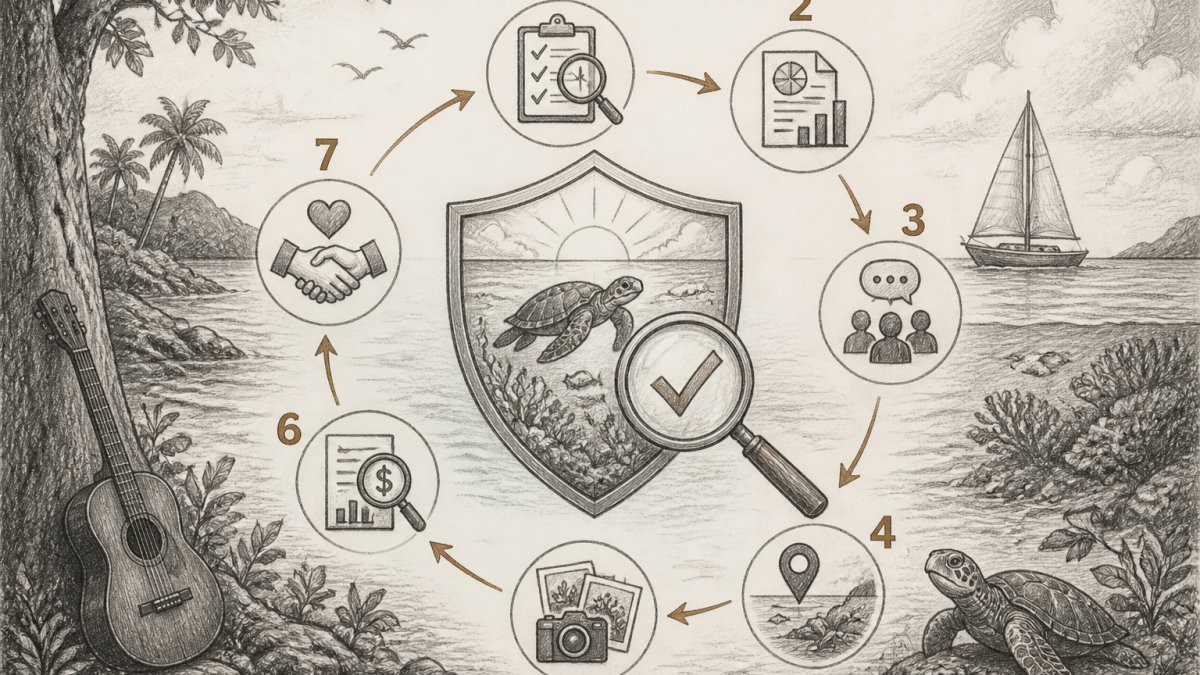
Look for brands that show their work. A truly ethical clothing brand is open about its suppliers, its materials, and its costs.
- Check whether the brand names its factories
- Look for third-party verification, not just marketing claims
- Ask whether the brand explains what each product really costs to make, and read how ethical apparel pricing is broken down.
Browse the eco-friendly merchandise at RastaHippies.com and Rastahippies.store to see one approach in practice.
Ethical Fashion Certifications and What They Actually Prove
Certifications help, but they are not a guarantee. A label tells you a standard was checked, not that every choice behind a garment is perfect. Read what OEKO-TEX certified clothing actually offers to see what the label covers. MDPI research on transparency across the fashion supply chain points to the need for systemic transparency, which is the real test.
Support a brand that is growing with purpose. Small business owners of every kind can share their story at Rasta Hippies, so visit RastaHippies.com and Rastahippies.store to explore our eco-friendly merchandise.
Frequently Asked Questions
What makes a clothing brand truly ethical?
A truly ethical clothing brand is open about who makes its clothes, under what conditions, and with which materials. Look for fair pay for workers, safe working conditions, responsible sourcing of raw materials, and a willingness to publish supplier information. Ethical fashion also considers environmental impact and animal welfare. No brand is perfect, so the most useful signal is consistent, verifiable progress rather than a polished label or slogan.
Can clothing be ethical and sustainable at the same time?
Yes. Ethical clothing focuses on the people who make it and the conditions they work in, while sustainable clothing focuses on the environmental impact of materials and production. Many brands aim for both, using lower-impact fibers, recycled materials, and transparent supply chains. The two overlap but are not identical, so check each claim separately.
How can I tell whether a clothing brand treats workers fairly?
Check whether the brand names its factories, publishes wage or audit information, and explains how workers can raise concerns. Look for third-party verification rather than self-reported promises. Brands that share pricing details and the real costs of production tend to be more accountable than those that offer only vague statements about values.