 comparison
7 Natural Fabric Bohemian Clothing Options for Every Body
Last Updated: November 2, 2026
Quick Summary
Natural fabric bohemian clothing options are garments made from cotton, linen, hemp, and other plant-based or low-synthetic fibers, cut in the loose, free-spirited silhouettes that define boho style. A 2026 style guide names linen, cotton, viscose, and handwoven textiles as the pillars of modern boho dressing.
- Cotton slub gives tees a textured look that boho styling loves.
- Linen wrinkles as part of its charm and should be washed cold and hung dry.
- Hemp softens with each wash and breaks in like a favorite pair of jeans.
- Check for GOTS or Fair Trade certification and listed fiber percentages before buying.
- A page saying eco-friendly with no certification name is the most common greenwashing pattern.
Table of Contents
- Why Natural Fabric Bohemian Clothing Options Matter for Self-Love and 432 Hz Living
- Natural Fiber Clothing: A Quick Comparison by Fabric and Garment
- Sustainable Boho Clothing: How to Verify Claims Before You Buy
- Frequently Asked Questions
Why Natural Fabric Bohemian Clothing Options Matter for Self-Love and 432 Hz Living
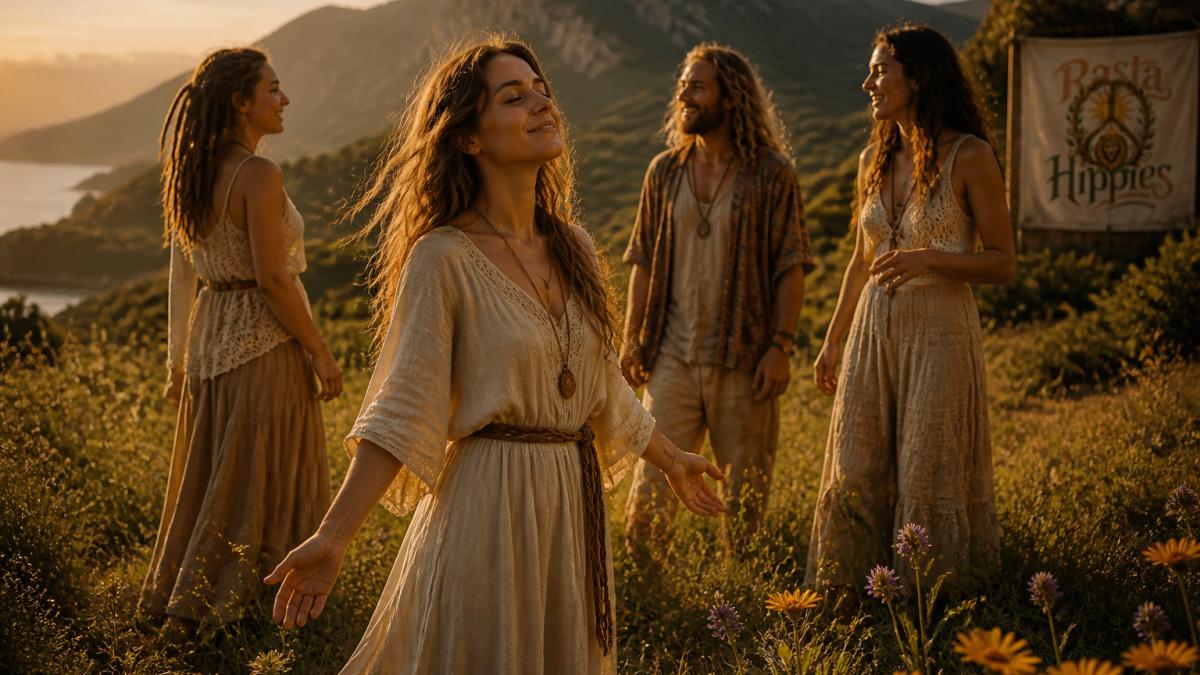
Natural fabric bohemian clothing options are garments made from cotton, linen, hemp, and other plant-based or low-synthetic fibers, cut in the loose, free-spirited silhouettes that define boho style. For shoppers who treat getting dressed as a daily act of self-care, the fabric matters as much as the fit. A 2026 style guide from DressTo's boho style breakdown names linen, cotton, viscose, and handwoven textiles as the pillars of modern boho dressing.
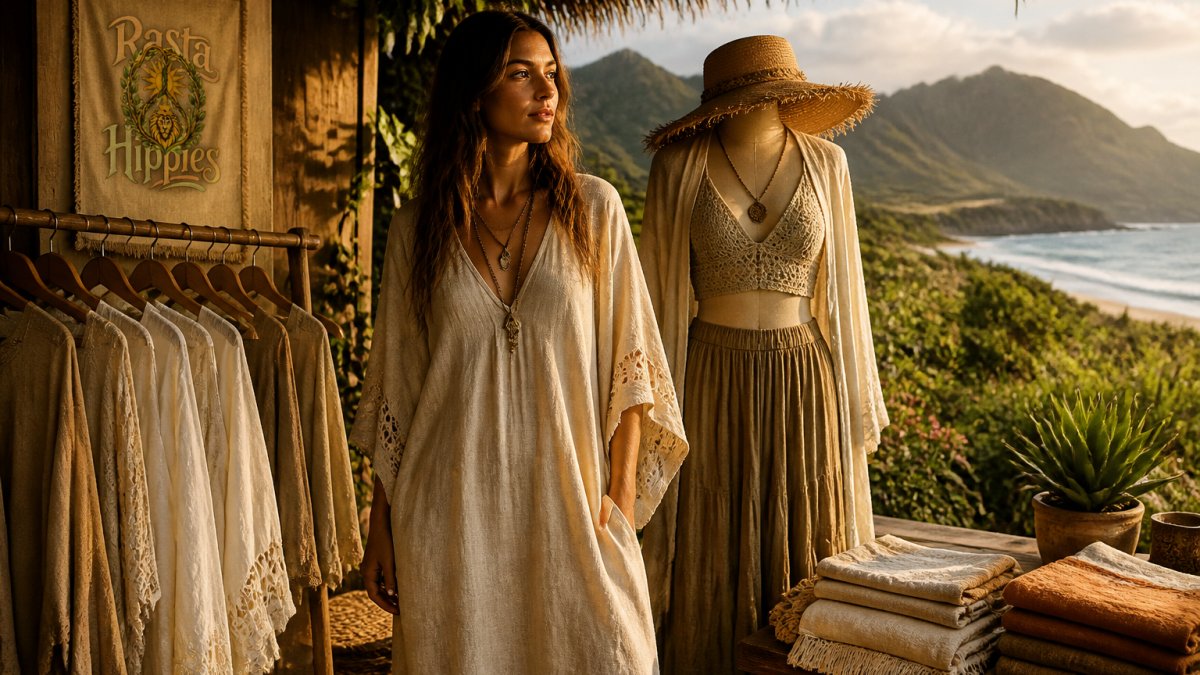
At Rasta Hippies, the connection between what you wear and how you feel is the whole point. The 432 Hz tuning many listeners associate with calm, grounded sound sits in the same spirit: slow down, breathe, choose pieces that feel honest.
Small business owners take note: this is the moment to be seen. Visit RastaHippies.com and Rastahippies.store to browse eco-friendly merchandise and support that growth directly.
Natural Fiber Clothing: A Quick Comparison by Fabric and Garment
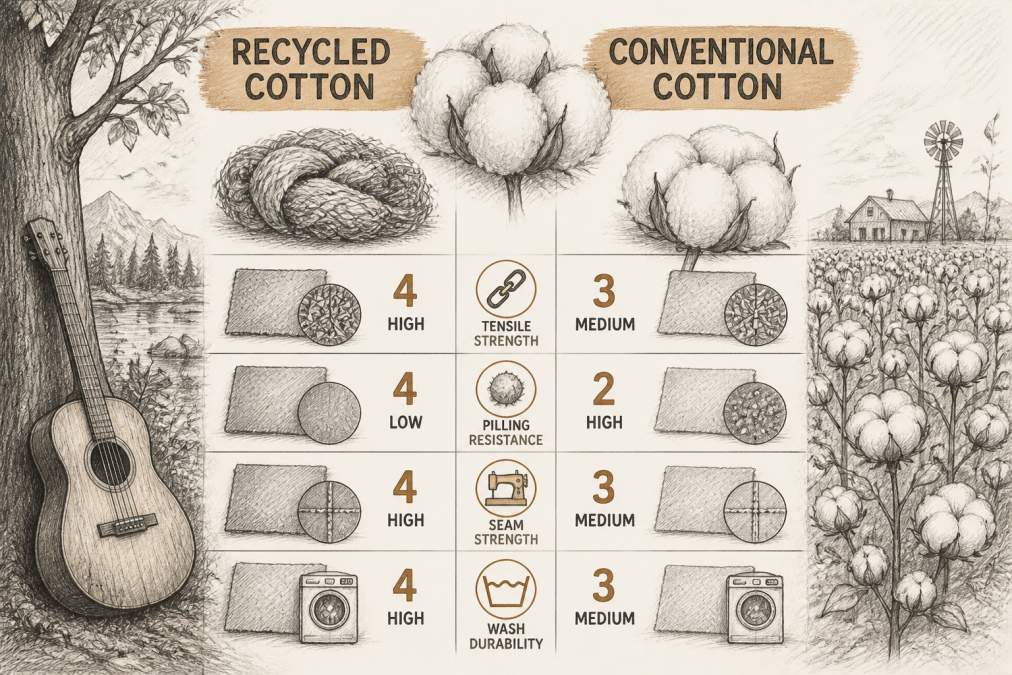
Natural fiber clothing is apparel woven from plant or animal fibers rather than petroleum-based synthetics, and the fiber you pick changes how a garment drapes, breathes, and wears.
| Fabric | Best Garment | Breathability | Care |
|---|---|---|---|
| Organic cotton | Tees, tanks, basics | High | Machine wash cold |
| Linen | Dresses, wide-leg pants | Very high | Wash cold, hang dry |
| Hemp | Patchwork pants, jackets | High, durable | Softens with each wash |
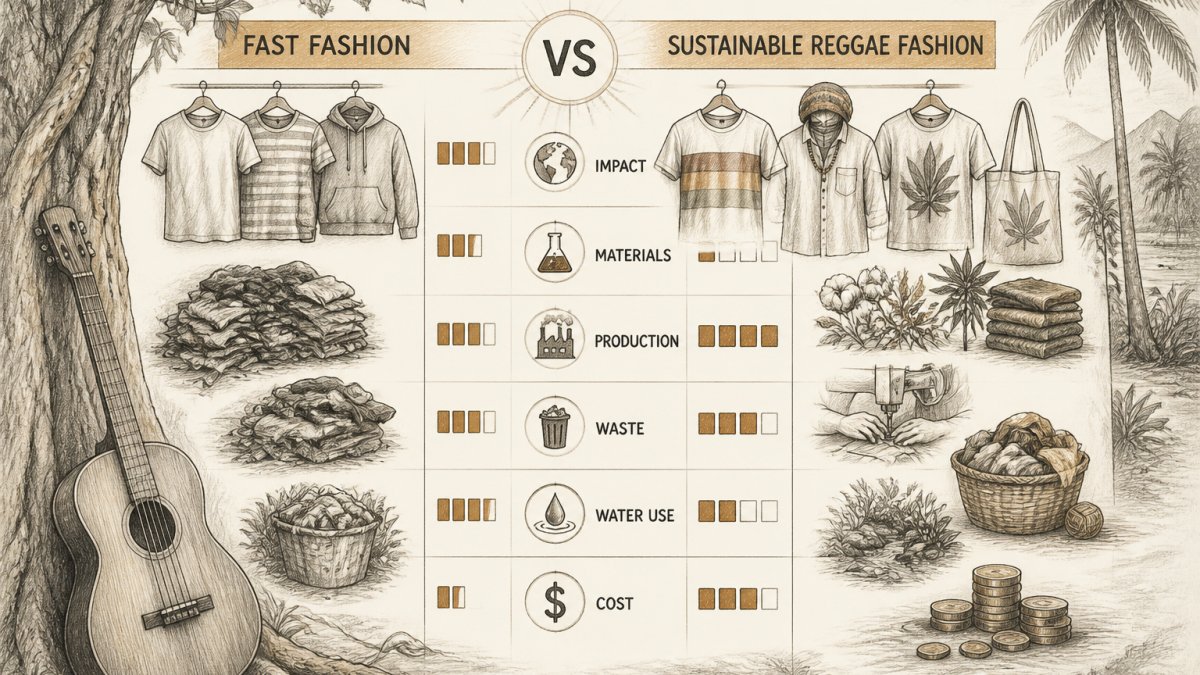
Cotton slub gives tees a textured look boho styling loves, linen wrinkles as part of its charm, and hemp breaks in like a favorite pair of jeans. You can also browse the Rasta Hippies collection of eco-friendly merchandise directly. When you are ready to shop, this guide to where to buy ethical hippie clothing lists top brands to start with. For plus-size shoppers, look for brands that publish real measurements and carry the same styles across a full size run.
Sustainable Boho Clothing: How to Verify Claims Before You Buy
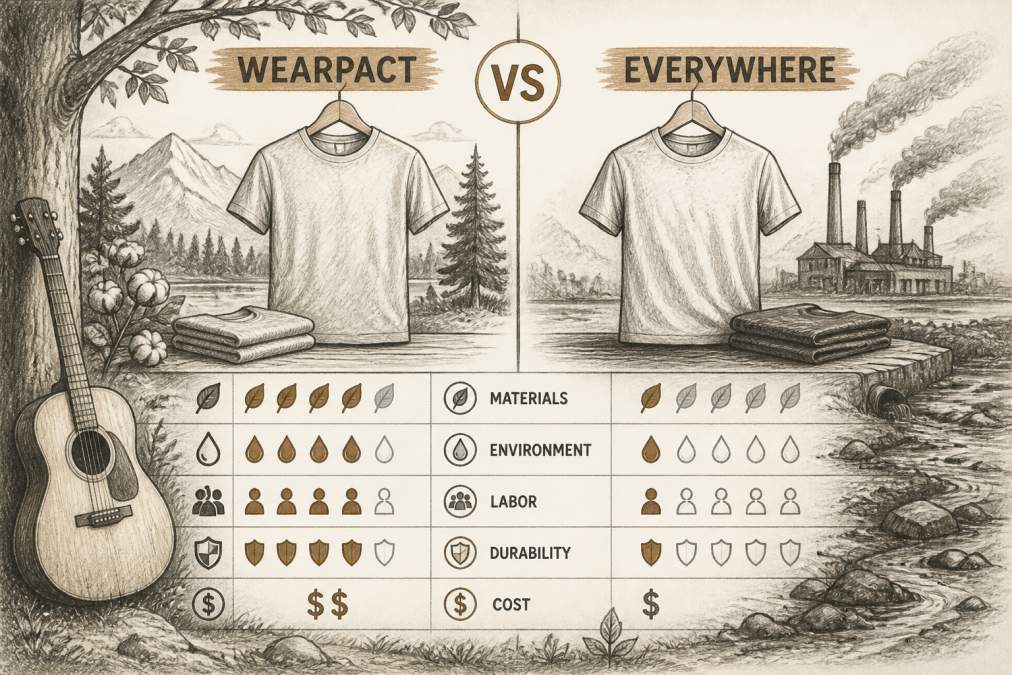
Sustainable boho clothing is boho-style apparel whose environmental and labor claims can be checked against a recognized certification, not just a marketing slogan.
- Does the listing name a certification, such as GOTS for organic cotton or Fair Trade for labor?
- Is the fiber content listed by percentage, not just "natural"?
- Does the brand publish where the garment was made?
Academic work in the International Journal of Creative Fashion traces how bohemian style evolved from its cultural roots into today's boho-chic market, which helps explain why so many brands now borrow the aesthetic without the ethics. A case study in the International Journal of Research and Scientific Innovation on organic textile fibers shows that fiber choice is a genuine sustainability lever, not a label. For a step-by-step walkthrough of reading certifications, see how to verify sustainable clothing certifications.
Watch out: a product page that says "eco-friendly" with no certification name and no fiber percentages is the most common greenwashing pattern.
Frequently Asked Questions
What are the most natural fabrics for bohemian clothing?
Linen, organic cotton, hemp, and rayon or cupro are common natural and semi-natural choices. Linen breathes well in heat, organic cotton feels soft for everyday wear, and hemp is dense and long-wearing. Check the fiber label on each garment, since one brand can mix natural and synthetic fabrics across its line.
How can I tell whether bohemian clothing is made from natural fibers?
Read the fiber content tag, not the marketing copy. A garment listed as natural fabric bohemian clothing should name its fibers, such as 100% linen or 95% organic cotton. Look for third-party certifications and care instructions that match the fiber. If a listing calls itself sustainable boho clothing but hides the composition, ask the seller directly before you buy.
Where can I get plus size natural fabric bohemian clothing options?
Start with brands that publish a full size range and fiber details on every product page. Marketplace categories and small ethical labels often carry extended sizes, but confirm the size chart and return policy first. If a brand claims to be inclusive, check whether sizes above XL stay in stock consistently. Rasta Hippies carries handcrafted, eco-friendly merchandise at RastaHippies.com and Rastahippies.store.
The challenge is simple: build a wardrobe that feels as good as it looks, from makers who can prove their claims. Rasta Hippies unites Reggae Rasta and Hippie culture through original art and handcrafted merchandise, supports ocean and environmental conservation through partner foundations, and offers custom design services for creatives who want their own logo or web presence. Get started with Rasta Hippies at RastaHippies.com and Rastahippies.store and wear your values every day.