 comparison
Sustainable Reggae Fashion Brand Comparison
Last Updated: October 25, 2026
Quick Summary
Sustainable reggae fashion requires evaluating brands on verified certifications like GOTS and Fair Trade, named factories with transparent labor practices, and responsibly sourced materials such as organic cotton or hemp. The strongest sustainable reggae fashion brands integrate both low-impact materials and fair wages, with evidence published in public databases and sustainability reports rather than marketing claims alone.
- Check third-party certifications directly in public databases rather than trusting brand claims about sustainability.
- Verify supply chains by looking for named factories, countries of production, and disclosed artisan compensation methods.
- Compare cost-per-wear over garment lifespan rather than sticker price, as sustainable pieces typically last longer.
- Evaluate cultural respect separately from environmental practices by checking whether brands credit artists and support reggae communities.
- Use Good On You ratings as a screening tool, then confirm underlying evidence with independent research.
Table of Contents
- Sustainable Reggae Fashion Brand Comparison Overview
- Comparison Table: Key Sustainability Metrics
- How to Identify Sustainable Fashion Brands
- Ethical Clothing Brand Comparison: What Sets Them Apart
- Sustainable Streetwear Brands with Reggae Influence
- Handmade Reggae Apparel: Quality, Durability, and Impact
- Making Your Choice: Which Brand Aligns With Your Values
- Frequently Asked Questions
Sustainable Reggae Fashion Brand Comparison Overview
Finding authentic sustainable reggae fashion requires more than just picking a brand with a catchy name. The global sustainable clothing brand market was valued at $12.4 billion in 2025 and is projected to reach $28.9 billion by 2034, according to Dataintelo's sustainable clothing market analysis, yet most shoppers struggle to distinguish genuine sustainability commitments from marketing hype. This guide breaks down how to evaluate sustainable reggae fashion brands with concrete criteria, real examples, and practical verification methods.
Reggae-inspired apparel sits at the intersection of cultural expression and environmental responsibility, but the evidence behind sustainability claims varies dramatically. This sustainable reggae fashion brand comparison cuts through the noise by examining what actually matters: materials, certifications, labor conditions, and whether a brand's values match its claims.
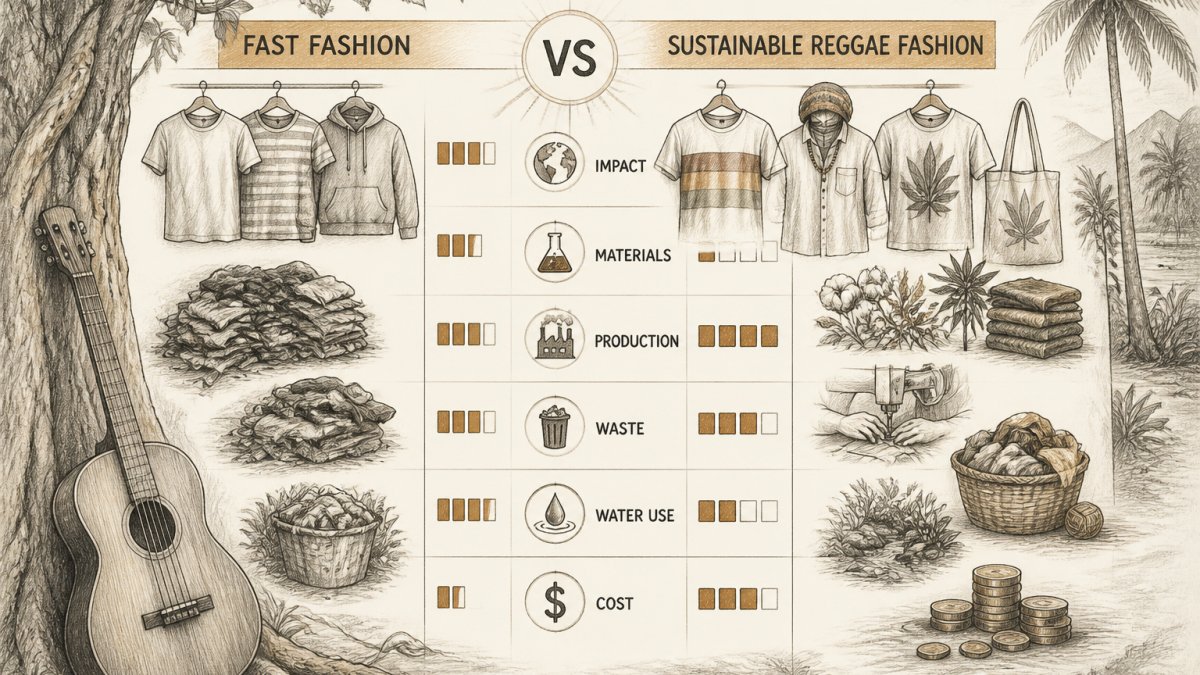
Comparison Table: Key Sustainability Metrics
| Criterion | What to Look For | Red Flags | Why It Matters |
|---|---|---|---|
| Materials | Organic cotton, recycled fibers, hemp, TENCEL | Conventional cotton, synthetic blends, no sourcing info | Reduces water use and chemical exposure |
| Certifications | B Corp, GOTS, Fair Trade, Global Organic Textile Standard | "Eco-friendly" with no third-party verification | Third-party audits confirm claims |
| Labor Practices | Named factories, wage transparency, worker benefits | "Ethically made" with no detail, hidden supply chain | Protects workers and ensures fair wages |
| Transparency | Published sustainability reports, traceability | Vague mission statements, no data | Shows accountability and honest communication |
| Price | Mid-to-premium range reflecting true costs | Suspiciously cheap for claimed sustainability | Real sustainability has real costs |
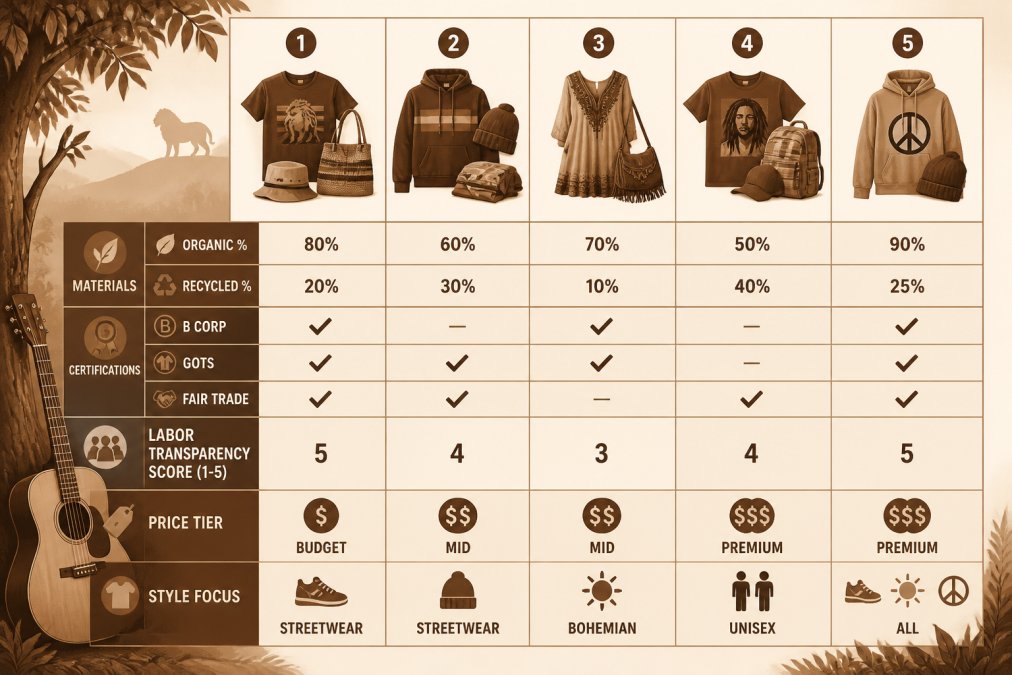
How to Identify Sustainable Fashion Brands
Identifying authentic sustainable fashion brands means looking beyond marketing language to verify actual practices.
Step 1: Check certification databases directly, not brand claims. Third-party certifications are the hardest claims to fake because they require independent audits and ongoing compliance. For reggae fashion, the most relevant certifications are:
- Global Organic Textile Standard (GOTS): Verifies organic fiber content and restricts chemical inputs in processing. Search the GOTS public database by brand name, if a brand claims GOTS-certified organic cotton but does not appear, treat the claim as unverified.
- Fair Trade Certified: Requires independent audits of labor conditions and, for apparel, a premium paid to workers. The certifying body publishes brand lists you can search.
- B Corp: A whole-company certification covering governance, workers, community, environment, and customers. B Corp scores are public and comparable across brands, making them useful for side-by-side comparison.
- OEKO-TEX Standard 100: Tests finished textiles for harmful substances. Useful for verifying dye and finish safety, though it does not address labor or fiber sourcing.
A brand's own "sustainability promise" page is marketing, not evidence. If a reggae label claims organic materials but holds no GOTS or equivalent certification, ask why, legitimate organic producers typically pursue certification to prove their commitment.
Step 2: Read the supply-chain disclosure for named factories. Credible brands name their manufacturing partners and countries of production.
Step 3: Verify recycled-content claims. "Recycled polyester" is common in streetwear, but the claim varies widely. Look for Global Recycled Standard (GRS) certification, which traces recycled content through the supply chain.
Step 5: Examine the price point against the claimed inputs. Genuine sustainability costs money. Brands using certified organic materials, paying fair wages, and maintaining transparent supply chains typically price 30-50% higher than fast fashion.
Step 6: Check freshness of the evidence. Sustainability policies change, certifications lapse, and collections turn over. Note the date on any sustainability report or certification listing. If the most recent public evidence is more than two years old, treat the brand's current claims as unverified until you find newer documentation.
Ethical Clothing Brand Comparison: What Sets Them Apart
Different ethical clothing brands take different approaches to sustainability. Some focus on materials, others on labor conditions; the strongest address both.
Material-focused brands prioritize low-impact fibers. Eco-Stylist's guide to sustainable menswear brands highlights brands using organic cotton, hemp, and TENCEL. These materials reduce water consumption, chemical use, and soil degradation compared to conventional textiles.
Labor-focused brands emphasize fair wages, worker safety, and transparent supply chains, often publishing details about their factories, worker benefits, and wage standards.
The most credible brands integrate both: responsibly sourced sustainable materials manufactured in facilities with documented fair labor practices. This integration is harder to verify but represents the most complete commitment.
Price varies significantly among ethical brands. Budget options typically make trade-offs, organic cotton with less labor transparency, or fair wages with fewer certified materials, while mid-range and premium brands generally offer more comprehensive practices.
Sustainable Streetwear Brands with Reggae Influence
Sustainable streetwear with reggae aesthetics appeals to shoppers who want everyday wear that reflects their values. Reggae-influenced labels range from large streetwear companies with a reggae capsule to small handmade operations, and their sustainability evidence varies just as widely.
What reggae-influenced streetwear typically looks like. Designs draw on Rasta colors (red, gold, green, black), bold graphics, typography referencing reggae lyrics or iconography, and relaxed unisex cuts.
How to compare brands on the same criteria. Rather than ranking brands subjectively, evaluate each candidate against the same five-point framework:
- Materials: Does the brand disclose fiber content and sourcing? Certified organic cotton (GOTS), hemp, and TENCEL are stronger signals than unspecified "eco-blends." For recycled polyester, look for GRS certification.
- Certifications: List every third-party certification the brand holds and verify each in the certifying body's public database. A brand with GOTS plus Fair Trade is stronger than one with a single certification and vague labor language.
- Labor transparency: Does the brand name factories or artisan partners and disclose wage practices? Handmade reggae apparel should disclose whether artisans are paid per piece or per hour and whether pricing reflects fair compensation.
- Durability: Look for construction details, stitch density, fabric weight, reinforced seams, and any published care or repair guidance. A heavier-weight organic cotton tee typically outlasts a thin fast-fashion equivalent, improving cost per wear.
- Price and value: Streetwear tees from sustainable reggae-influenced labels commonly fall in the mid-to-premium range. Compare cost per wear rather than sticker price. Treat these as typical ranges to benchmark against, not as quotes from any specific brand.
Unisex and inclusive sizing as a comparison criterion. Sustainable streetwear brands often use unisex or inclusive sizing, recognizing that reggae culture appeals across gender expressions and body types.
Cultural respect as a tiebreaker. When two brands match on materials and certifications, prefer the one demonstrating cultural respect through transparent credit, fair compensation to artists, and authentic storytelling, and avoid brands using Rasta colors and reggae graphics as pure decoration with no disclosed connection to the culture.
A practical comparison workflow. Shortlist three to five reggae-influenced streetwear brands. For each, record fiber content and certifications (verified in public databases), named factories or artisan partners, price range, size range, and the date of the most recent sustainability disclosure. Score consistently, then weigh criteria by your priorities, this prevents a single strong signal from overshadowing weak performance elsewhere.
Explore best sustainable streetwear brands to discover specific options that combine reggae aesthetics with verified sustainability practices. For deeper understanding of what differentiates ethical brands, review the ethical hippie fashion brand guide covering comprehensive brand comparisons. Learn how to identify authentic sustainable clothing to verify claims and avoid greenwashing. Understand the benefits of handcrafted apparel quality to appreciate why handmade reggae pieces command premium pricing.
Handmade Reggae Apparel: Quality, Durability, and Impact
Handmade reggae apparel represents a distinct category within sustainable fashion. Handcrafted pieces inherently reduce industrial waste, often use locally sourced materials, and support artisans directly. The quality typically exceeds mass-produced alternatives because each piece receives individual attention.
Handmade apparel features unique designs impossible to replicate exactly, and this authenticity resonates with reggae and hippie communities that value personal expression and craftsmanship.
Durability matters for sustainability: a handmade shirt that lasts five years has far lower environmental impact per wear than a fast-fashion piece worn a dozen times. Handcrafted items typically use higher-quality materials and construction that extend garment lifespan.
The price of handmade apparel reflects this reality, supporting artisans, using quality materials, and investing time in each piece costs more than industrial production. Cost-per-wear often favors handmade items because they last longer and retain their appeal.
Making Your Choice: Which Brand Aligns With Your Values
Choosing a sustainable reggae fashion brand requires clarity about your own priorities, no single brand excels equally across every dimension.
Start by defining what matters most: organic materials, fair labor practices, cultural authenticity, handcrafted production, or charitable giving. Most shoppers balance multiple values rather than maximizing one.
Next, verify claims against available evidence: check Good On You ratings, look for published certifications, read sustainability reports, and ask brands questions directly. Transparent brands welcome scrutiny because they have nothing to hide.
Consider the total cost of ownership: a higher upfront price often means lower replacement frequency and better durability.
Test quality before committing to a brand.
Explore best sustainable streetwear brands to discover specific options that combine reggae aesthetics with verified sustainability practices.
When you're ready to shop, browse the Rasta Hippies collection to find apparel celebrating reggae and hippie culture while supporting ocean and environmental conservation.
Frequently Asked Questions
What makes a sustainable reggae fashion brand different from regular apparel companies?
Sustainable reggae fashion brands prioritize eco-friendly materials like organic cotton and recycled fibers, transparent ethical manufacturing, and fair labor practices. Beyond materials, they often support causes aligned with reggae and Rasta values, environmental conservation, ocean protection, and community empowerment. The global sustainable fashion market is projected to grow, reflecting consumer demand for brands that match their values.
How can I verify a brand's environmental and labor claims?
Check for third-party certifications like B Corp, GOTS (Global Organic Textile Standard), or Fair Trade. Use verification tools like the Good On You Directory, which rates thousands of brands on their impact on people, the planet, and animals. Ask brands directly for supply chain transparency, documentation of labor conditions, and proof of charitable donations. Greenwashing is common, so look for specific material percentages, water usage data, and independently verified claims rather than vague sustainability language.
Is handmade reggae apparel more sustainable than mass-produced alternatives?
Handmade reggae apparel often offers better durability and quality, which extends garment lifespan and reduces waste over time. However, sustainability depends on materials and production practices, not just the handmade label. A handcrafted piece made from conventional cotton may have a higher water footprint than a mass-produced garment from recycled materials. The real advantage is traceability: handmade brands typically offer transparency about their supply chain, labor practices, and material sourcing, making it easier to verify their sustainability claims.
What should I look for when comparing sustainable streetwear brands?
Evaluate materials first: look for organic cotton, hemp, TENCEL, or post-consumer recycled content with specific percentages listed. Check certifications and labor transparency. Compare durability and fit, sustainable clothing should last multiple seasons. Consider the brand's stance on sizing and inclusivity; many ethical brands now offer extended sizes. Finally, assess the brand's commitment to causes: does it donate to environmental or social foundations, and can it document those contributions? Price reflects quality and ethics, so compare value rather than sticker price alone.
Sustainable reggae fashion brand comparison ultimately comes down to matching verified practices with your personal values. The brands worth supporting combine authentic reggae aesthetics, transparent sustainability practices, and genuine commitment to the communities they serve. Visit RastaHippies.com to explore apparel that reflects your commitment to peace, nature, and cultural integrity while supporting environmental causes that matter.