 ultimate-guide
Benefits of Handcrafted Apparel Quality: A 2026 Guide
Table of Contents
- Why Handcrafted Apparel Delivers Superior Quality
- Handmade vs. Mass-Produced Clothing: What Actually Matters
- How to Identify Quality Clothing Construction
- Organic Cotton Clothing Benefits for Everyday Wear
- Durable Eco-Friendly T-Shirts for Everyday Use
- Durability and Long-Term Value of Handcrafted Pieces
- The Real Trade-Offs of Handcrafted Apparel
- Caring for Handcrafted Apparel to Maximize Lifespan
- Frequently Asked Questions
Last Updated: October 8, 2026
Why Handcrafted Apparel Delivers Superior Quality
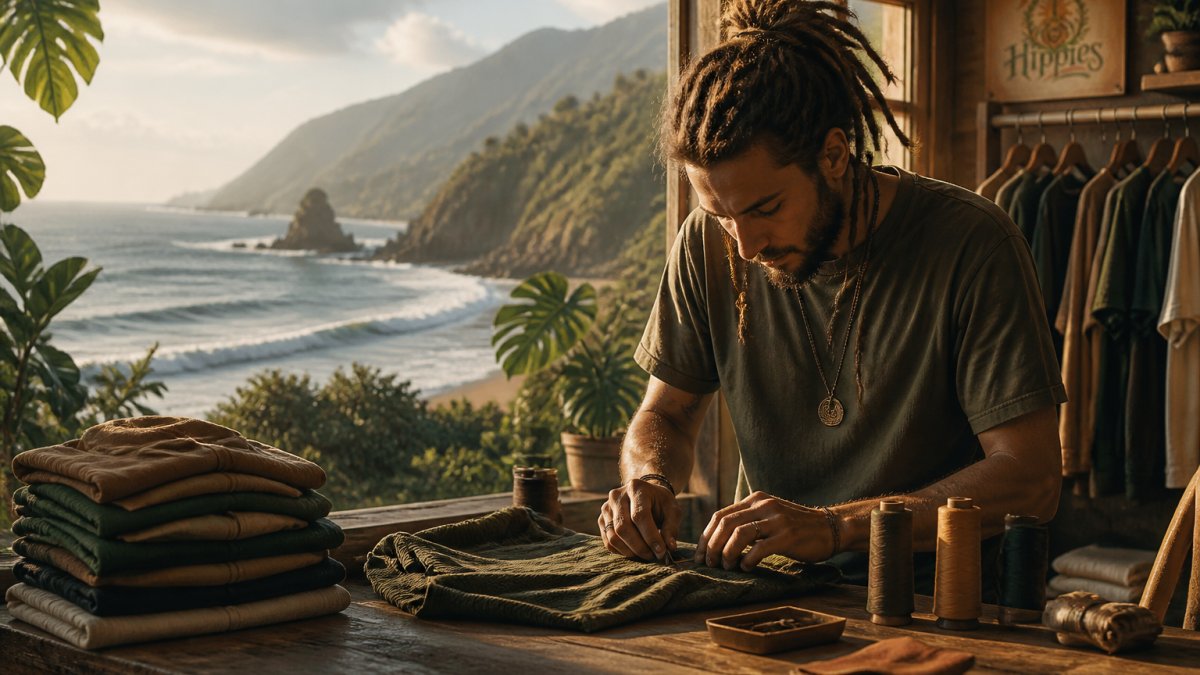
Handcrafted apparel quality stands apart from mass-produced garments in fundamental ways. When clothing is made by hand with intentional attention to every stitch, the result is a garment built to last, not simply built to sell. The difference reveals itself in construction details, material selection, and the care taken during production.
Artisan craftsmanship means someone with genuine skill oversees each piece. Unlike factory lines where thousands of identical items move through automated processes, handcrafted apparel involves human judgment at every stage. A skilled maker can feel when a seam isn't quite right, adjust tension on stitching, and catch quality issues before they become permanent flaws.
This hands-on approach naturally produces durability. A garment constructed with precision, where seams are reinforced, hems are finished properly, and fabric weight is appropriate for its intended use, simply performs better over time. The initial investment in handcrafted apparel quality reflects the reality that better construction costs more to produce.
Handmade vs. Mass-Produced Clothing: What Actually Matters
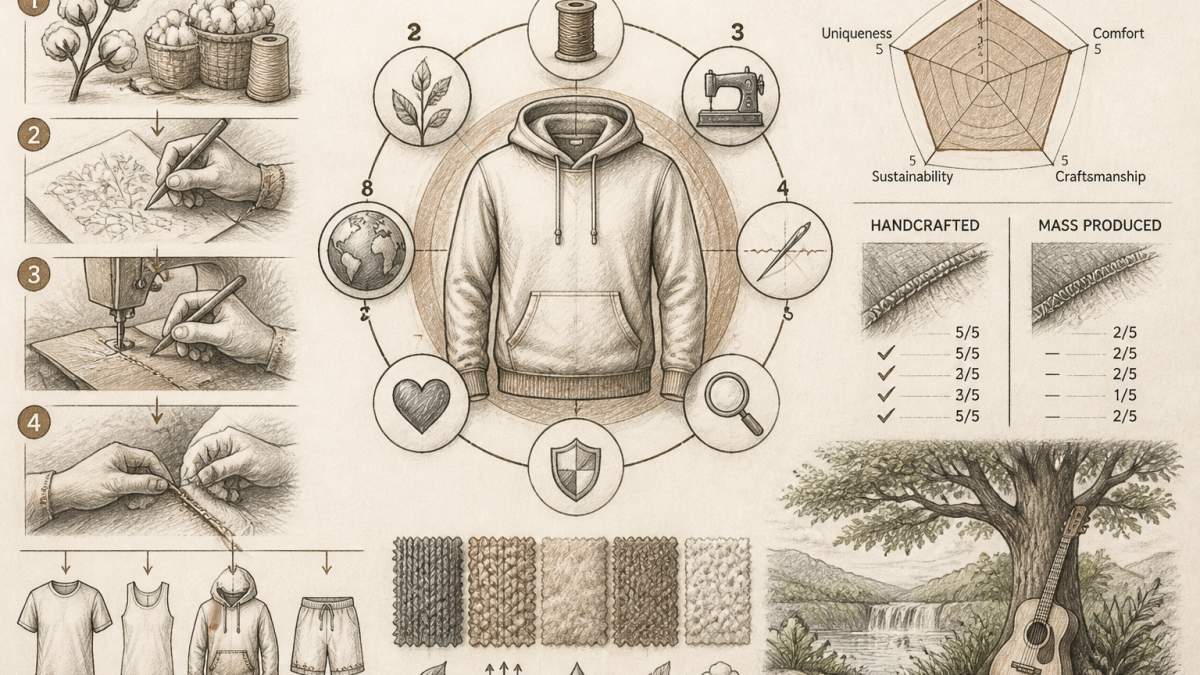
The distinction between handmade and mass-produced clothing comes down to intentionality and consistency. Mass-produced garments prioritize volume and speed, factories aim to produce hundreds or thousands of identical pieces daily. Handmade clothing prioritizes precision and durability, with production timelines measured in hours per garment rather than minutes.
In mass production, quality control happens through sampling. A factory might inspect 1 in every 100 garments, catching obvious defects but missing subtle construction issues. Handcrafted apparel involves continuous quality checks because the maker sees every piece. This constant oversight prevents problems from becoming systemic.
The material choices differ too. Mass producers select fabrics based on cost and availability. Handcrafted makers select fabrics based on how they'll perform in use, choosing natural fibers, appropriate weights, and finishes that serve the garment's purpose.
Labor practices also separate these approaches. Mass production depends on rapid output, which often means workers have seconds to complete each task. Handcrafted production allows workers time to do the job right, with proper techniques that take longer but produce stronger results.
How to Identify Quality Clothing Construction
Assessing garment construction requires understanding what to look for when examining a piece in person. Several specific markers reveal whether a garment was made with care or assembled for speed.
Stitching and Seams
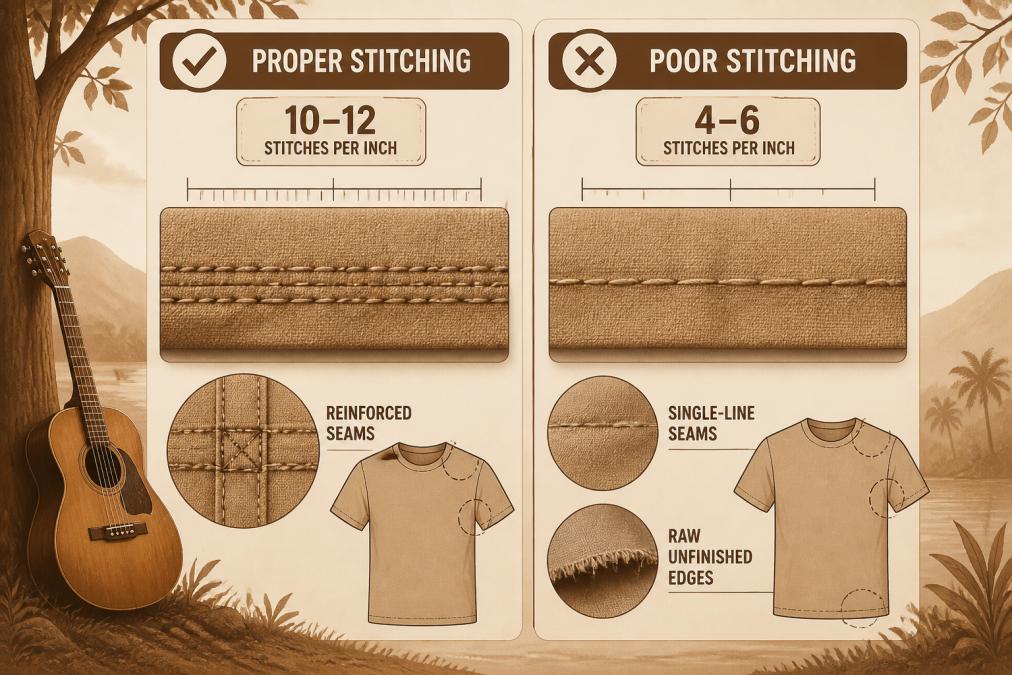
Stitching quality is the most obvious indicator of construction care. Examine seams closely, they should be straight, even, and consistent. The stitch length should be uniform throughout, typically 8-12 stitches per inch for most apparel.
Strong seams use multiple rows of stitching for stress points. The shoulder seams on a well-made shirt will have reinforcement stitching, not just a single line. Armhole seams, where sleeves attach, should show evidence of careful construction.
Check seam finishing, the raw edges of fabric inside a seam. Quality construction finishes these edges with techniques like binding, serging, or careful folding to prevent fraying.
Thread color matters too. Quality makers use thread that matches the fabric color exactly. Mismatched thread suggests low attention to detail or cost-cutting measures. Look at hems, they should be even in width and stitched with consistent tension.
Fabric Weight and Finishing
Fabric weight directly affects durability and performance. Hold the garment up to light and examine how much light passes through. Dense, tightly woven fabric blocks light and indicates quality. Thin, loosely woven fabric lets light pass through easily and suggests the garment will wear thin quickly.
The feel of fabric matters as much as appearance. Quality apparel uses fabric with substance, it feels substantial in your hands, not flimsy. Run your fingers across the surface to check for pilling, loose threads, or rough spots that indicate poor finishing.
Finishing details reveal attention to detail. Hems should be straight and secure. Collar edges should be crisp and well-constructed. Cuffs should maintain their shape. Poorly finished garments show loose threads, uneven edges, or visible glue residue.
Natural fibers like organic cotton, linen, and wool generally perform better than synthetic blends for everyday wear. These fibers breathe better, regulate temperature naturally, and improve with age rather than degrading.
Organic Cotton Clothing Benefits for Everyday Wear
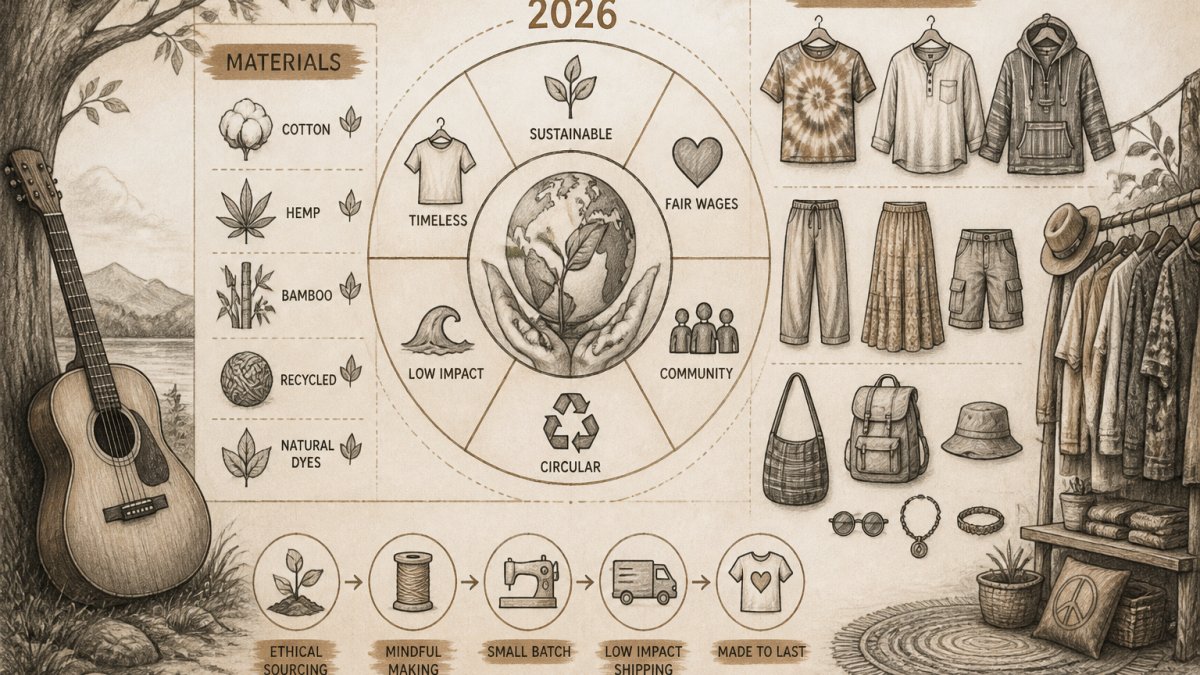
Organic cotton clothing benefits users in several concrete ways compared to conventional cotton. Organic cotton is grown without synthetic pesticides or fertilizers, which affects both the fiber quality and the environmental impact of production.
The fiber itself is stronger and more durable than conventionally grown cotton. Without chemical treatments during growth, organic cotton fibers maintain better integrity. This translates to clothing that resists pilling and maintains its structure longer.
Breathability is superior in organic cotton. The fiber structure remains more open and porous, allowing better moisture management and temperature regulation. Someone wearing an organic cotton t-shirt experiences better comfort in warm weather because the fabric allows perspiration to evaporate efficiently.
Organic cotton also avoids the chemical finishes sometimes applied to conventional cotton for wrinkle resistance or stain protection. These finishes can reduce breathability and comfort.
The environmental impact of organic cotton production is significantly lower than conventional cotton. Conventional cotton uses roughly 16% of the world's pesticides despite occupying only 2.5% of cultivated land. Organic production eliminates this chemical load, protecting soil health and water systems.
Durable Eco-Friendly T-Shirts for Everyday Use
Durable eco-friendly t-shirts combine sustainable materials with quality construction to create garments that last years rather than months. These pieces represent a different value proposition than disposable fast-fashion alternatives.
The best eco-friendly t-shirts use materials chosen for performance, not just environmental impact. Organic cotton, recycled cotton, or cotton blends with durability-enhancing fibers create garments that withstand frequent washing.
Eco-friendly production typically means smaller batches, which allows for better quality control. Manufacturers making sustainable apparel often produce fewer pieces, enabling more careful inspection and finishing. This approach naturally produces more durable garments because rushed production is incompatible with sustainability commitments.
The longevity of an eco-friendly t-shirt directly reduces its environmental cost over time. A shirt that lasts five years instead of one year produces one-fifth the environmental impact per wear.
Many sustainable brands emphasize repairability. They provide information on caring for garments properly and offer repair services or guidance for extending lifespan. This approach acknowledges that true sustainability means keeping garments in use as long as possible.
Durability and Long-Term Value of Handcrafted Pieces
The long-term value of handcrafted apparel emerges over time. A well-made garment costs more initially, but the cost per wear decreases dramatically as the piece remains wearable for years.
Consider the math: a mass-produced t-shirt might cost less upfront but last through perhaps 30-40 wearings before it deteriorates. A handcrafted t-shirt costs more initially but remains wearable for 200-300+ wearings.
Garment integrity matters for longevity. Handcrafted pieces maintain their structure because seams don't fail, fabric doesn't pill excessively, and construction details like hems and cuffs hold up to repeated washing.
Handcrafted apparel also improves with age in many cases. Natural fibers like cotton and linen become softer and more comfortable with repeated washing. The patina that develops on quality garments is a sign of durability, not degradation.
The environmental value of durability cannot be overstated. Clothing production consumes significant resources, water, energy, and materials. A garment worn 300 times distributes that resource cost across many more wearings than one worn 40 times.
The Real Trade-Offs of Handcrafted Apparel
Handcrafted apparel quality comes with genuine limitations that deserve honest acknowledgment. Understanding these trade-offs helps buyers make informed decisions rather than assuming handcrafted automatically means perfect.
Cost is the most obvious trade-off. Handcrafted pieces require skilled labor, smaller production batches, and often higher-quality materials. The initial price is genuinely higher than mass-produced alternatives. For budget-conscious buyers, this barrier is real and significant.
Availability and sizing present another challenge. Handcrafted makers typically produce smaller quantities, meaning items may sell out quickly. Custom sizing options exist but take longer to produce.
Style consistency varies. Because handcrafted pieces are made individually or in small batches, slight variations between items are normal and expected.
Production timelines are longer. A custom handcrafted garment might take weeks or months to produce. Buyers planning ahead can work within these timelines; those needing immediate clothing are better served by mass production.
Quality control, while generally superior, still depends on the maker's skill and consistency. A handcrafted piece is only as good as the person making it. Some handcrafted makers maintain exceptional standards; others are inconsistent.
Caring for Handcrafted Apparel to Maximize Lifespan
Proper care extends the life of handcrafted apparel significantly. The investment in quality construction only pays off if the garment is maintained thoughtfully.
Washing practices matter enormously. Turn garments inside out before washing to reduce fading and pilling on the outer surface.
Detergent selection affects longevity. Mild detergents designed for delicate fabrics are gentler on fibers than heavy-duty formulas.
Drying methods significantly impact durability. Air drying is superior to machine drying, which causes wear and shrinkage.
Storage requires attention too. Store folded rather than hanging when possible to prevent stretching. Use cedar blocks or lavender sachets instead of mothballs for protection.
Repair promptly when damage appears. A small hole is easy to repair if addressed immediately; ignored, it becomes a large hole.
Pilling, common in natural fibers, can be managed. Use a fabric shaver or pill remover to gently remove pills without damaging the underlying fabric.
Handcrafted apparel quality represents a fundamentally different approach to clothing than mass production.
Brands like RastaHippies.com exemplify this commitment to quality, offering handcrafted merchandise that combines artisan skill with meaningful purpose.
Frequently Asked Questions
What makes handcrafted apparel higher quality than mass-produced clothing?
Handcrafted apparel prioritizes individual attention at every stage: artisans control stitch tension, inspect seams, and select premium materials rather than optimizing for speed. Small-batch production means fewer garments per run, allowing quality control that catches flaws before shipping. Mass-produced clothing relies on automated processes that sacrifice precision for volume, resulting in inconsistent seam quality, thinner fabrics, and faster deterioration. Handmade pieces typically feature reinforced stress points, higher stitch counts, and natural fibers chosen for longevity rather than cost reduction.
How can you tell if a garment is well made?
Examine stitching first: straight, even seams without puckering indicate skilled construction. Check seam alignment at shoulders and side seams, they should be perfectly centered. Look for finished edges inside the garment; handcrafted apparel often features bound or French seams rather than raw edges. Feel the fabric weight and density; quality pieces use thicker, more substantial material. Inspect hems for consistent stitching and hidden knots. Look for reinforced stress points like armholes and collar attachments. Finally, check tags for fiber content; natural fibers like organic cotton and linen signal durability-focused design.
Does handmade clothing last longer than mass-produced clothing?
Yes, when properly cared for. Handcrafted apparel typically outlasts mass-produced garments by years because artisans use higher-quality materials, stronger construction methods, and attention to detail that prevents early failure points. A handmade organic cotton t-shirt may retain shape and color for five to seven years of regular wear, while mass-produced alternatives often fade, shrink, or develop holes within one to two years. The difference compounds over time: buying fewer, longer-lasting pieces reduces both waste and long-term spending, making handcrafted apparel a more economical choice despite higher upfront costs.
What are the benefits of choosing eco-friendly fabrics like organic cotton?
Organic cotton avoids synthetic pesticides and chemical dyes, reducing environmental impact and chemical exposure against your skin. It breathes better than conventional cotton, managing moisture and temperature regulation more effectively for comfort. Eco-friendly fabrics often feel softer and gentler on sensitive skin because they skip harsh processing chemicals. From a durability perspective, organic fibers maintain their integrity longer, they resist pilling, hold color better, and withstand repeated washing without degradation. Supporting eco-friendly apparel also drives demand for sustainable farming practices that improve soil health and reduce water consumption, aligning personal choice with environmental responsibility.